Coco Chanel’s legendary affairs: every lover as creative inspiration
There’s no doubt Gabrielle Chanel is one of the most storied designers in fashion history. In The Birth of Fashion, the author notes Chanel’s significant contributions to fashion and modern women’s history—so much so that some consider fashion history divided by Chanel’s influence. From the brand’s signature tweed suit and quilted bag to Chanel No. 5 perfume, the countless classics she created have kept Chanel vital for over a century.
She actually disliked the name Coco Chanel
Gabrielle Chanel was widely known by the nickname Coco Chanel, a name she actually disliked. At 18 she worked as an assistant seamstress in a place called Saint Marie and also sang in nightclubs to make ends meet. Because she often sang a song called "cocorico," customers started calling her Coco. Chanel felt the nickname sounded like a prostitute’s moniker.
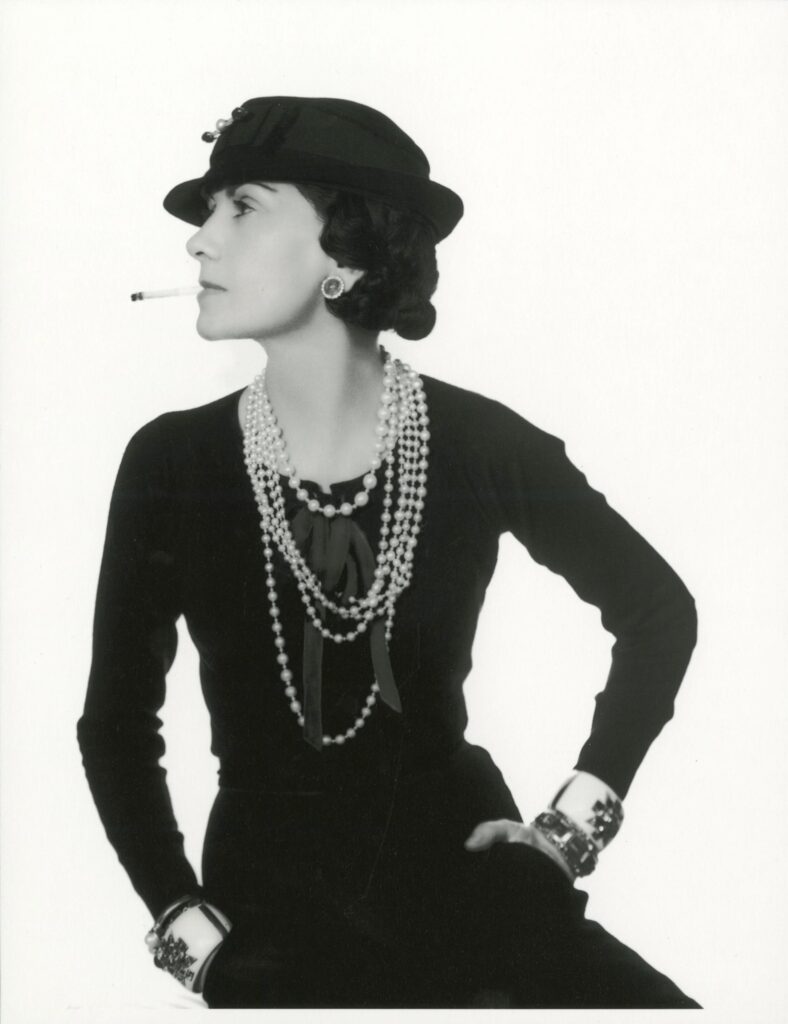
Her fashion journey began with millinery
Chanel’s entrée into fashion began with hats. Her first turning point came when she became the mistress of the aristocrat Étienne Balsan; his estate often hosted idle members of high society and their mistresses. Attending aristocratic parties for the first time, Chanel disliked the popular dress styles and frequently altered the garments Balsan gave her.
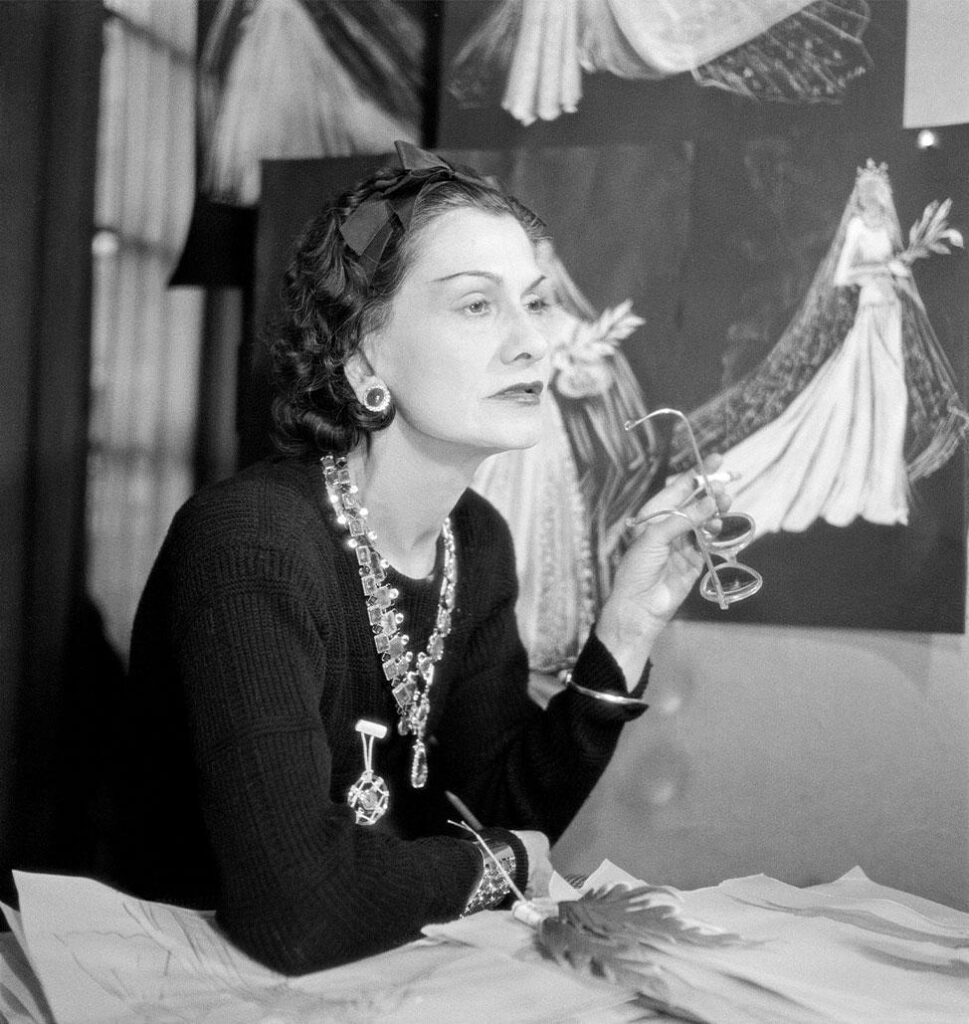
Chanel’s fashion talent first drew attention with the first hat she made. Society women began clamoring for her millinery, inspiring her to go into business—much to Balsan’s confusion. She later left Balsan and followed the English businessman Arthur "Boy" Capel, who genuinely supported Chanel’s desire to be herself. With Capel’s help, she opened CHANEL MODE at 21 rue Cambon in Paris in 1910, marking her debut on the Paris fashion stage as a designer.
Every lover was a source of creative inspiration
Coco Chanel’s love affairs are often talked about; you could say love shaped the path she took. From Boy Capel to Arthur “Boy” Capel—after Capel’s fatal car accident she went on to several affairs. Boy Capel opened the doors to high society and inspired her creativity; Capel helped her establish herself in Paris; Grand Duke Dmitri Pavlovich introduced her to perfumer Ernest Beaux, which led to the creation of the classic No.5; and the Duke of Westminster inspired the tweed jacket.
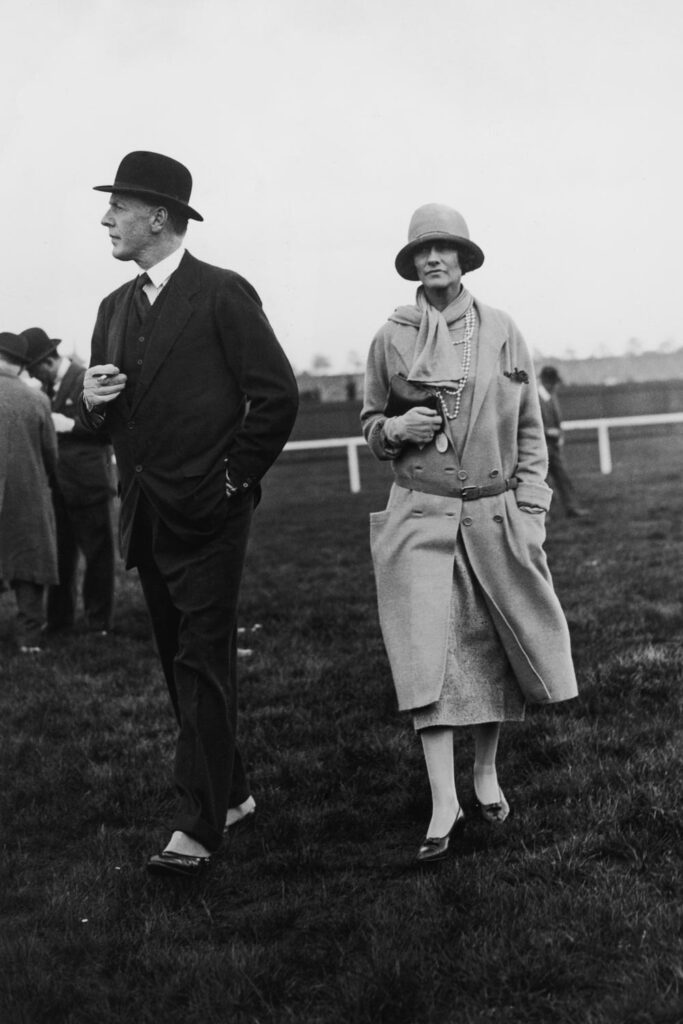
Yet in her later years Chanel became entangled with men in troubled circumstances. During World War II she had a relationship with German officer Hans von Dincklage, which allowed her to continue living comfortably and safely during the war. After the war she was publicly tried and labeled a traitor by the French. To avoid condemnation she had to flee to Switzerland, leaving the Paris fashion scene.
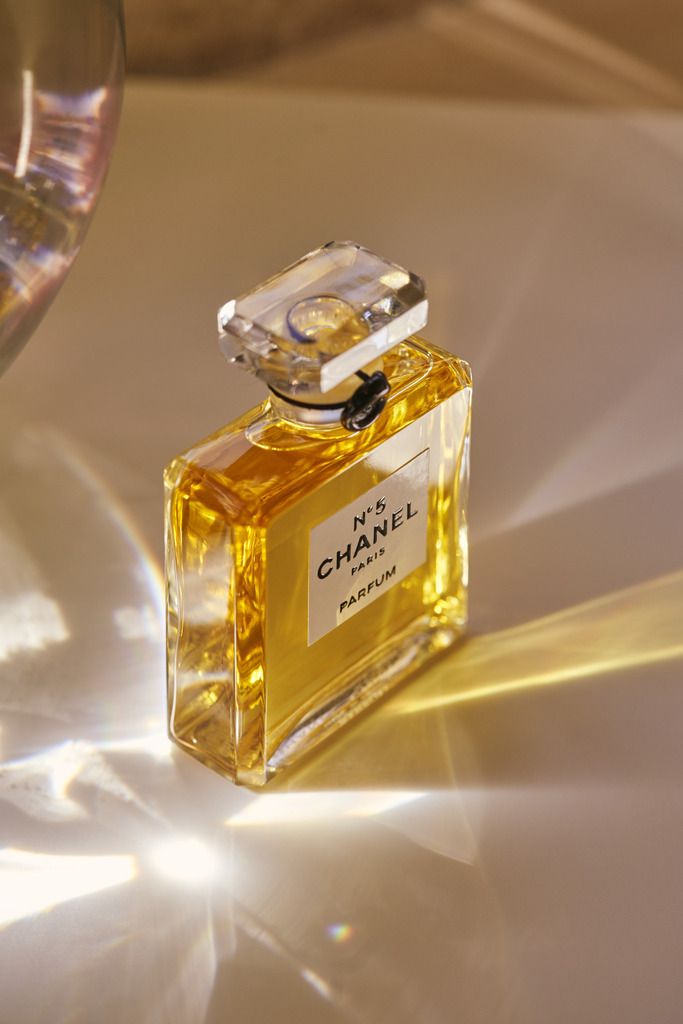
The name No.5 perfume really did come from number 5
Chanel’s signature products wouldn’t be complete without No.5. At the time perfumer Ernest Beaux was creating a scent for the Rallet company called “Rallet No.1.” He made 10 samples for Chanel to smell and asked her to pick the one she liked. Chanel chose the sample labeled number 5, so the perfume was simply named No.5. Remarkably, it became an instant hit.
The chain design was inspired by the orphanage matron’s key chain
Another of Chanel’s iconic creations is the Chanel 2.55 bag. She found handheld purses inconvenient and wanted a bag that could be worn on the shoulder. Chanel added a chain to the quilted body to create the brand’s first bag, which became a global classic. The chain design was inspired by the key chain the orphanage matron used to hang at her waist.
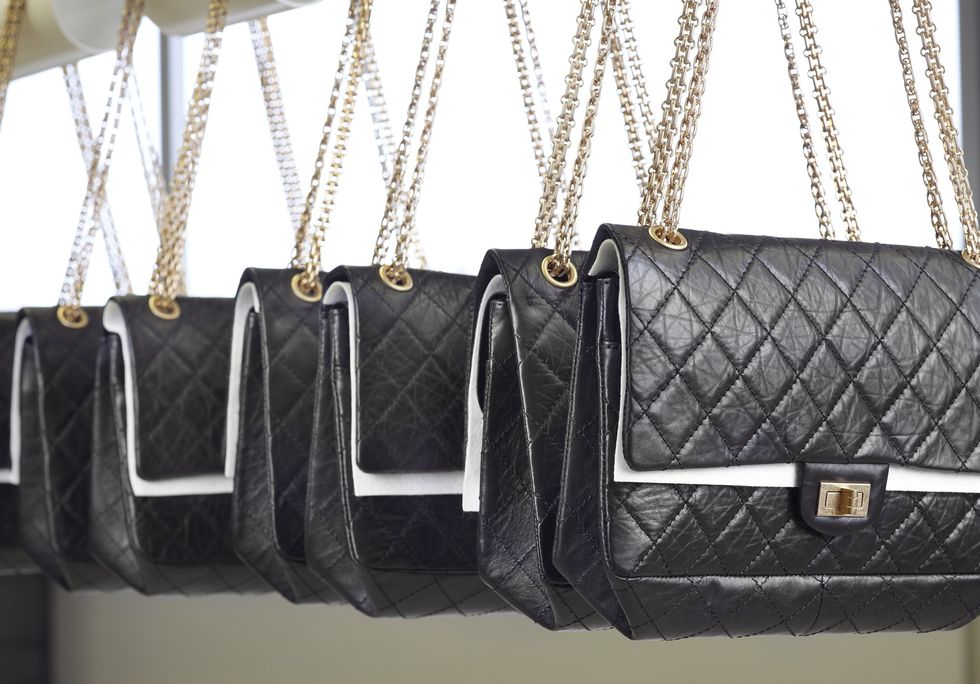
Chanel grew up poor; after her mother died, her father couldn’t care for the children and left Coco and her sister at a convent-run orphanage. Their father never returned, and her sister later died of illness. As an adult, Chanel was reluctant to talk about her childhood.
“Fashion changes, but style endures.”
“Fashion changes, but style endures.”
"Elegance is knowing how to say no."
“Elegance is refusal.”
"The bravest act is thinking for yourself and being able to speak out."
“The most courageous act is still to think for yourself. Aloud.”
"To be irreplaceable, you must be different."
“In order to be irreplaceable, one must always be different.”
"The best things in life are free. The second-best things are very expensive."
“The best things in life are free. The second best are very, very expensive.”
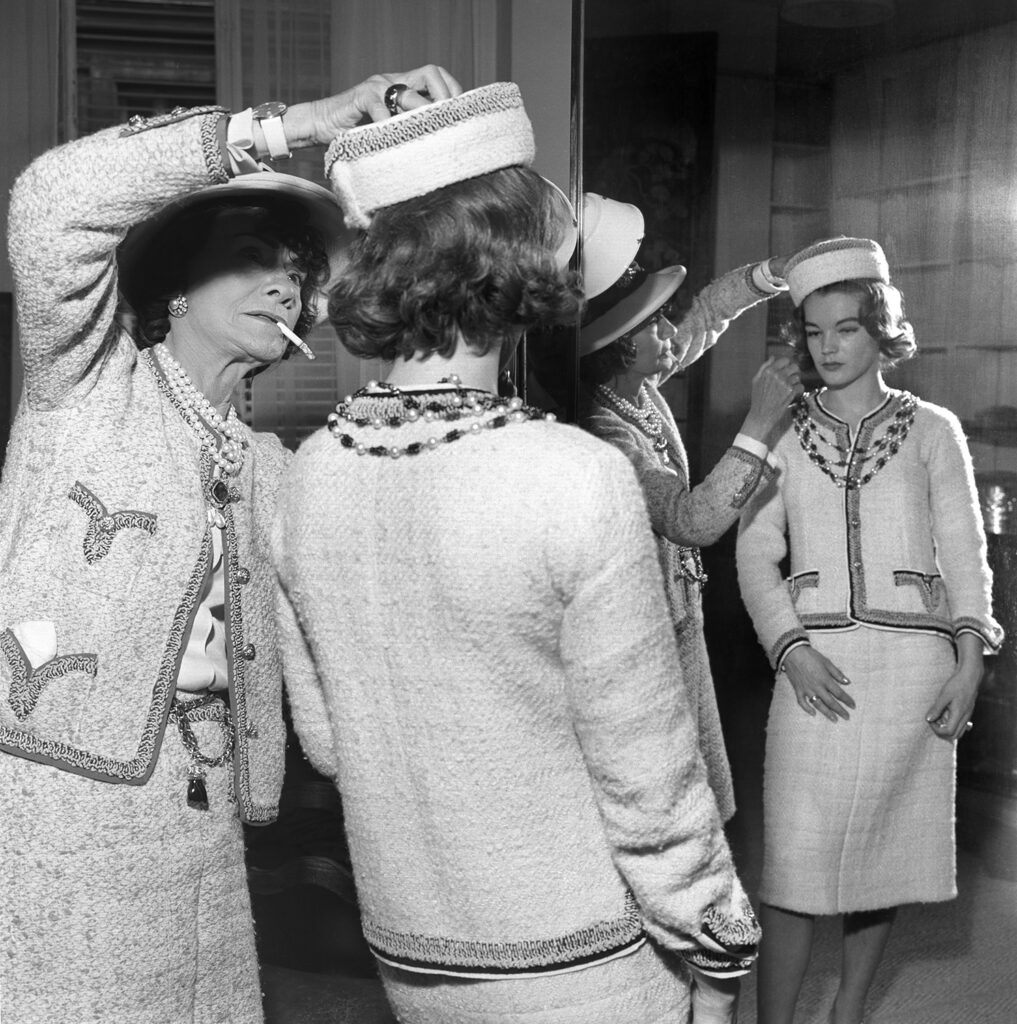 PARIS, FRANCE – CIRCA 1960: Romy Schneider at Coco Chanel studio, in Cambon street, in the 1960’s in Paris, France. (Photo by BOTTI/Gamma-Keystone via Getty Images)
"Simplicity is the keynote of elegance."
“Simplicity is the keynote of all true elegance.”
"My life wasn’t what I wanted, so I created my life."
“My life didn’t please me, so I created my life.”
"Instead of knocking on walls looking for an exit, turn it into a door."
“Don’t spend time beating on a wall, hoping to transform it into a door.”
"Every day dress as if you were going to meet your greatest enemy."
“Dress like you are going to meet your worst enemy today.”
"Some think the opposite of luxury is poverty; it is not—its opposite is vulgarity."
“Some people think luxury is the opposite of poverty. It is not. It is the opposite of vulgarity.”
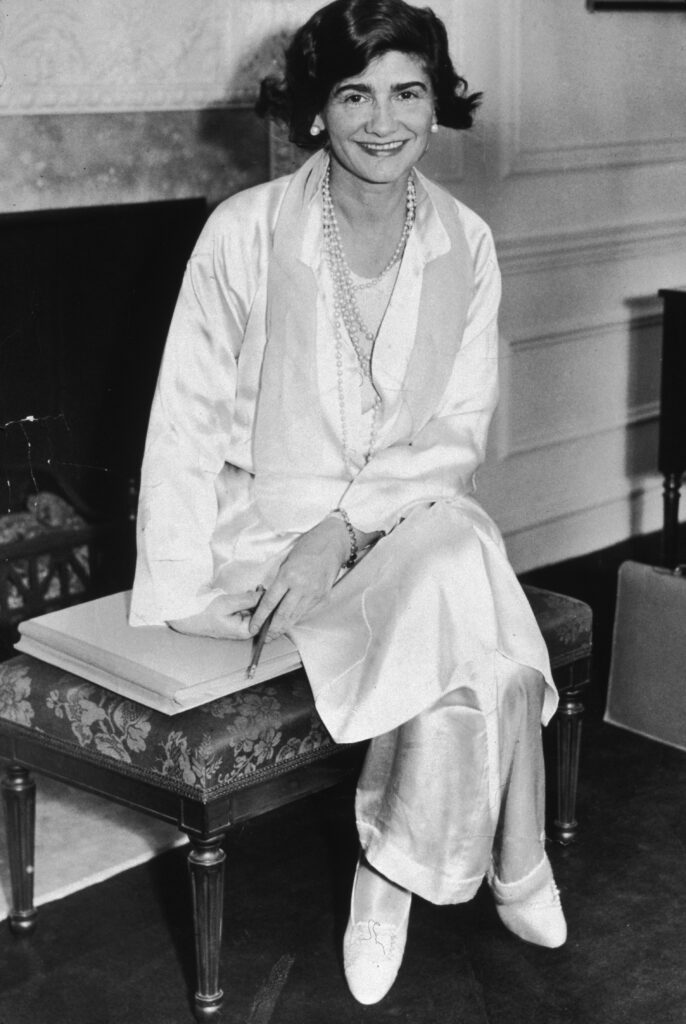 10th March 1931: Portrait of French fashion designer Gabrielle ‘Coco’ Chanel (1883 – 1971) posing in her suite at the Hotel Pierre during her first visit to New York City. She wears a white silk jacket and pants with pearls. (Photo by New York Times Co./Getty Images)
"Fashion has two purposes: to be comfortable and to fit the heart. When fashion’s purpose is achieved, beauty follows."
“Fashion has two purposes: comfort and love. Beauty comes when fashion succeeds.”
"A woman without perfume has no future."
“A woman who doesn’t wear perfume has no future.”
"A woman who wears the right shoes will never be ugly."
“A woman with good shoes is never ugly.”
"You can shine at thirty, be charming at forty, and live the rest of your life irresistibly."
“You can be gorgeous at thirty, charming at forty, and irresistible for the rest of your life.”
"Heaven gives you the face you have at twenty, life shapes your face at thirty, but the face at fifty is your own making."
“Nature gives you the face you have at twenty. Life shapes the face you have at thirty. But at fifty you get the face you deserve.”
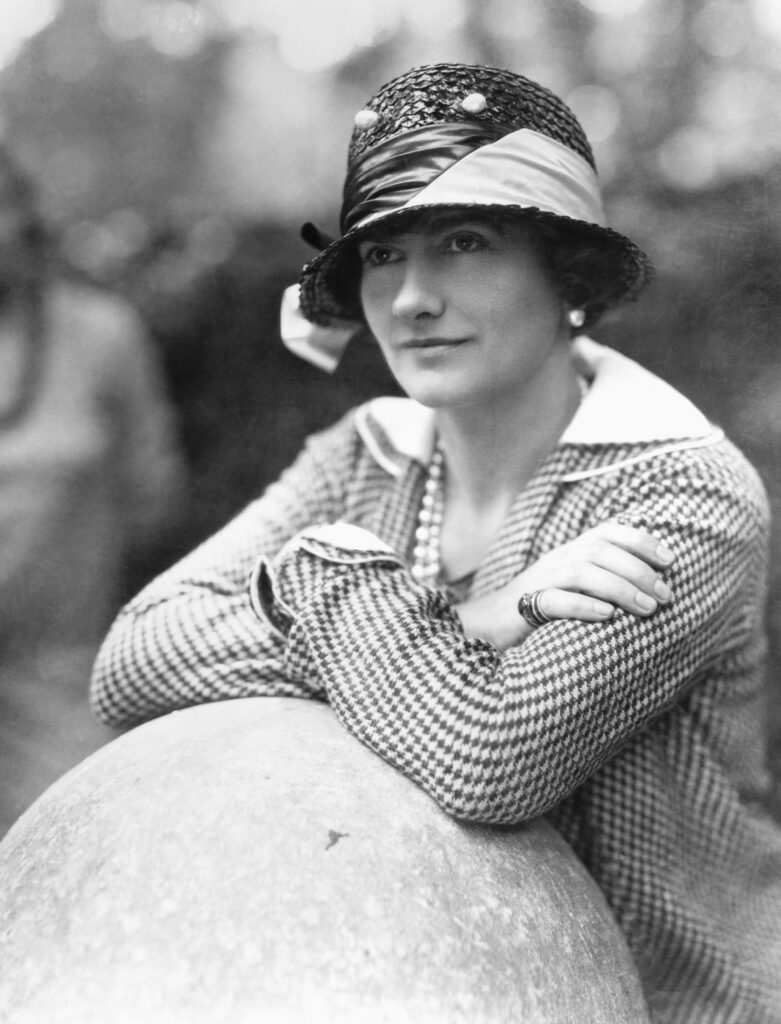 The French couturier and fashion designer Gabrielle ‘Coco’ Chanel (1883-1971). (Photo by © Hulton-Deutsch Collection/CORBIS/Corbis via Getty Images)
"Accessories are a subject of study, beauty is a weapon, true elegance is humility."
“Adornment, what a science! Beauty, what a weapon! Modesty, what elegance!”
"I don’t care how you see me, because I never see you."
“I don’t care what you think of me. I don’t think of you at all.”
“If you’re feeling sad, put on lipstick and get back up.”
“If you’re sad, add more lipstick and attack.”
“Beauty begins the moment you decide to be yourself.”
“Beauty begins the moment you decide to be yourself.”
“Luxury must be comfortable; if it isn’t, it’s not luxury.”
Luxury must be comfortable, otherwise it is not luxury.
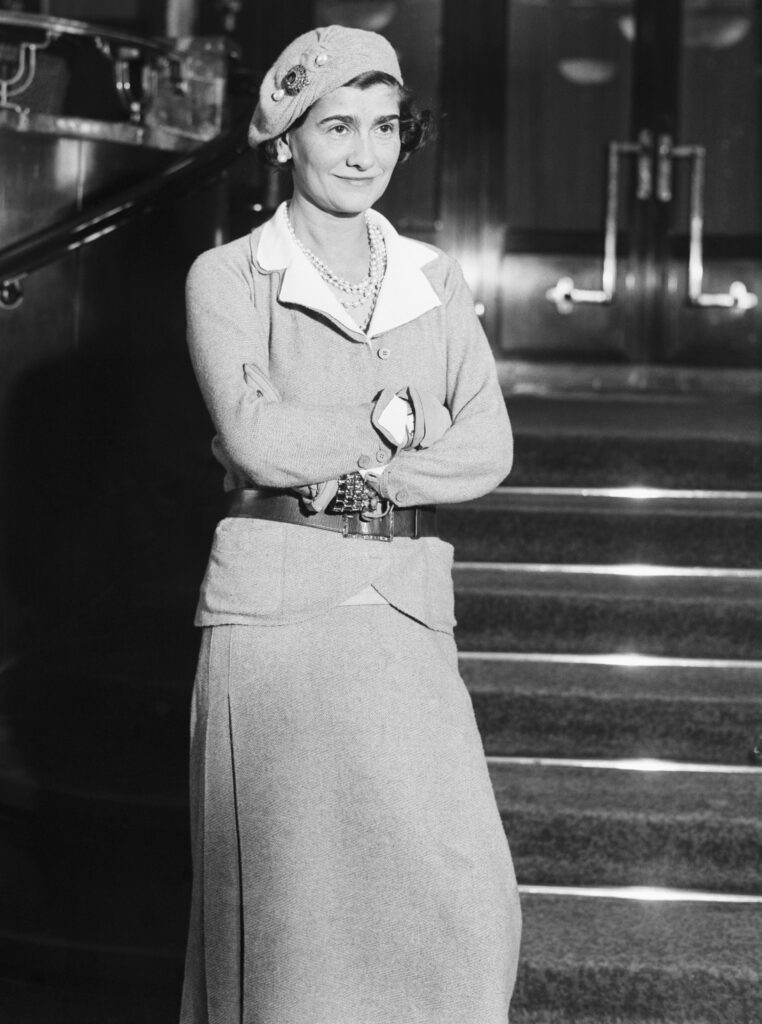 (Original Caption) Closeup of Gabrielle “CoCo” Chanel. Photograph, 1931.
Madame Chanel’s legendary story has been written about countless times and made into films; the vivid aspects of her personality in those records are just the tip of the iceberg. Her style shaped fashion’s development, and her attitude liberated women’s bodies. If one phrase were to embody her, it would be her classic line—I don’t do fashion, I am fashion.
