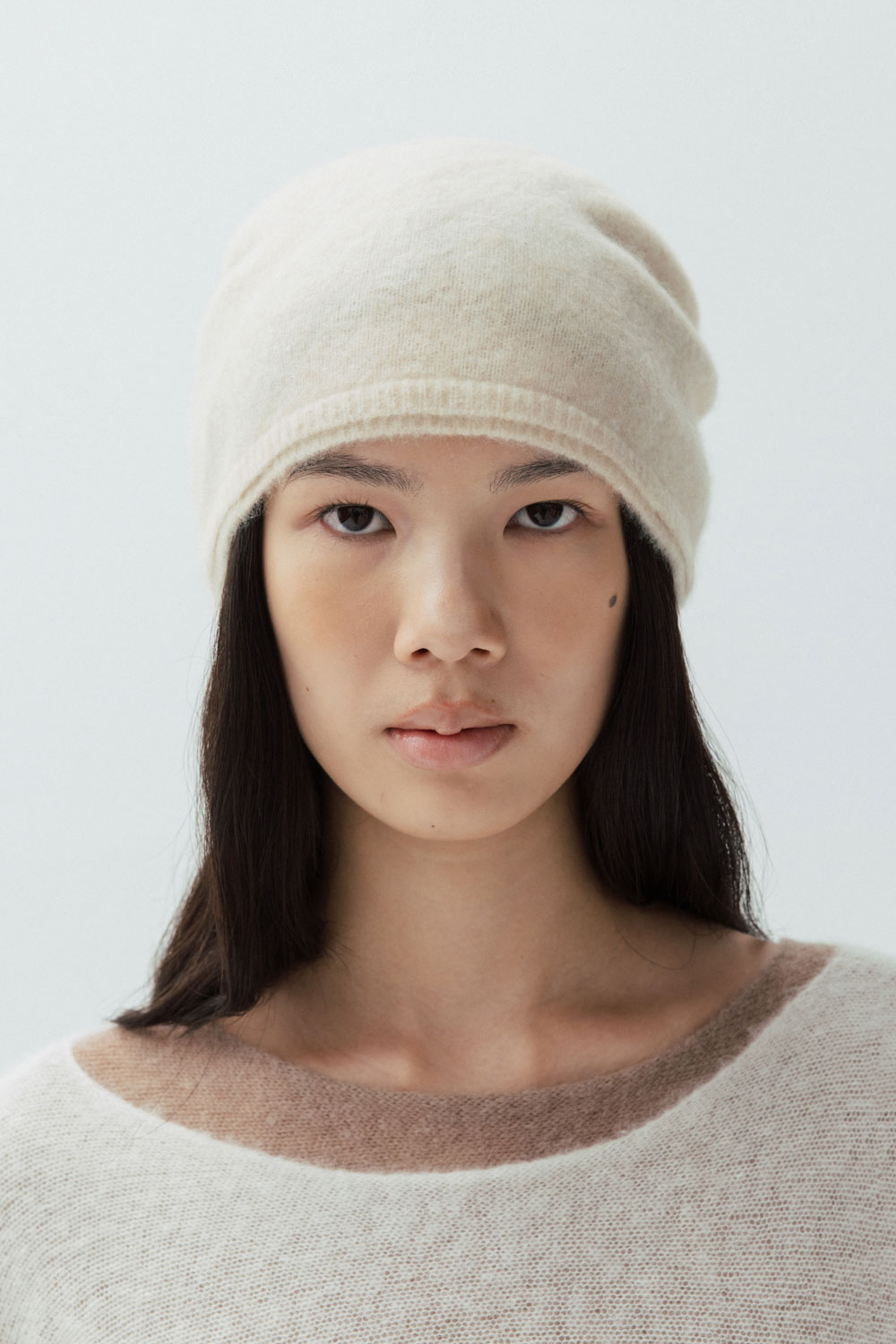
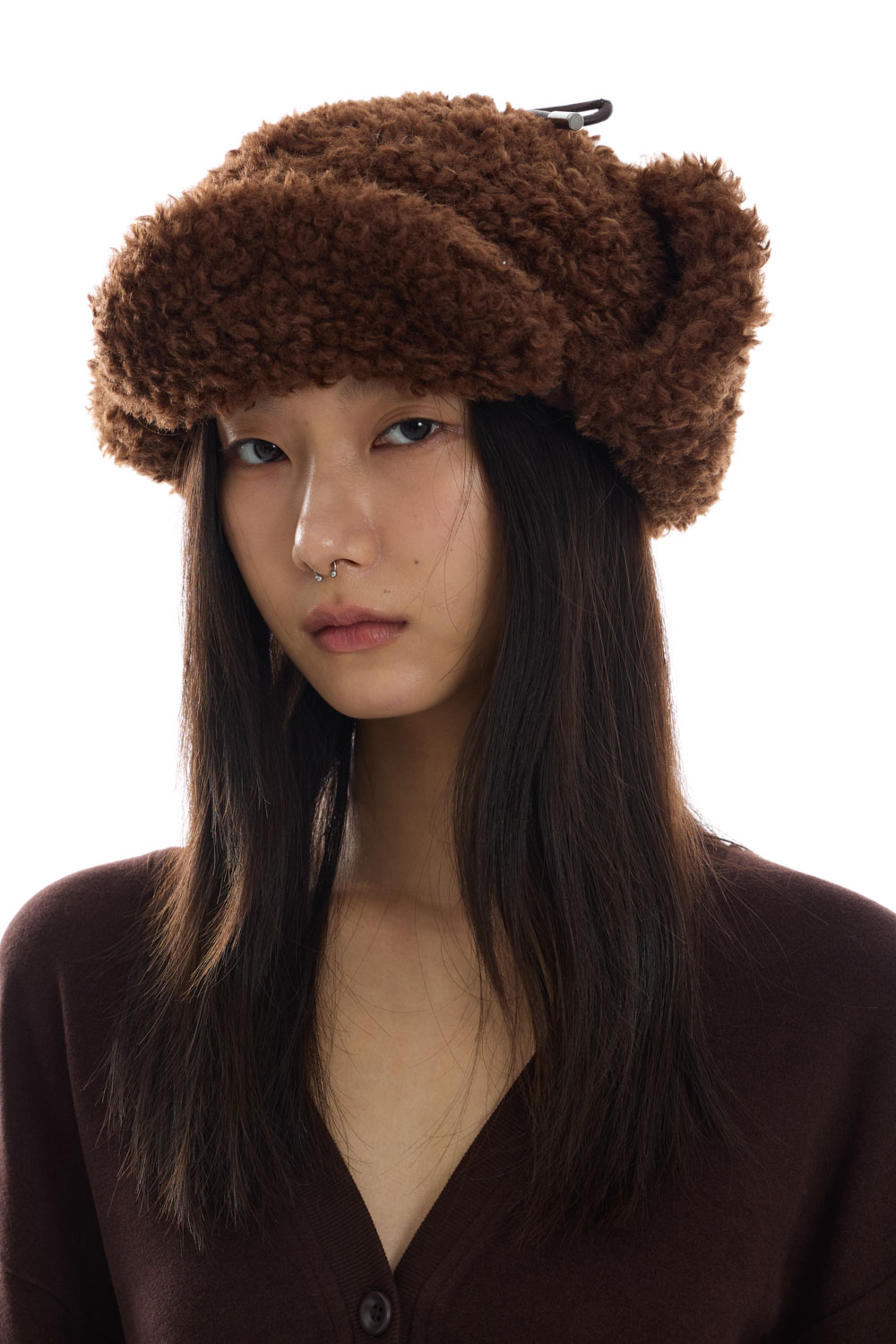
From the chill of the morning commute to warmer afternoons and falling temperatures after work, a single day can call for different ways of dressing. Heated indoor spaces and winter travel add another consideration: beyond staying warm, your layers need to be easy to add or remove.
Start with the layers themselves. Your base layer sets the foundation with its weight and feel against the skin, a mid layer adds warmth, and your outerwear can be chosen to suit the weather and your plans. Giving each layer a purpose makes it easier to balance warmth and style.
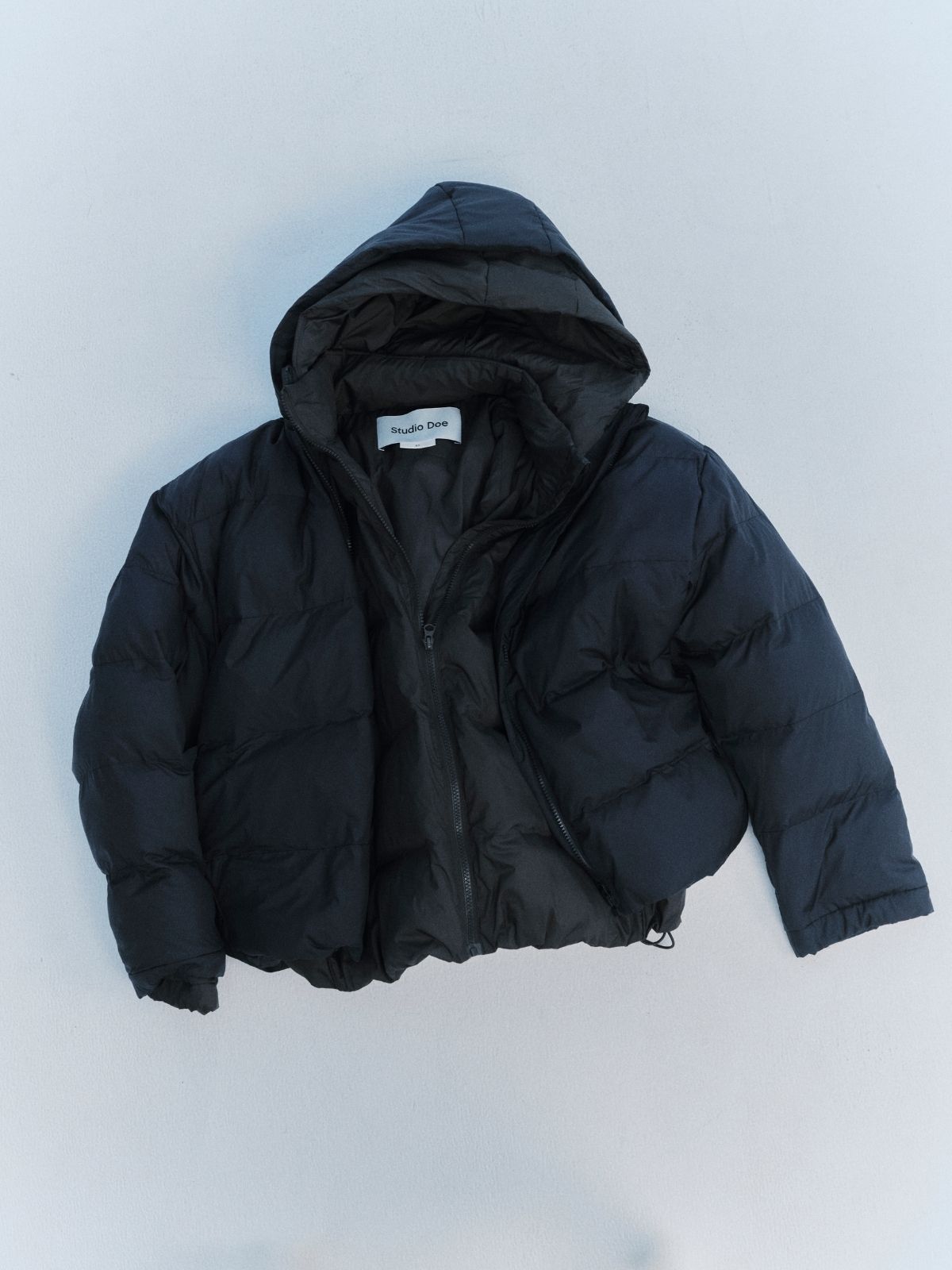
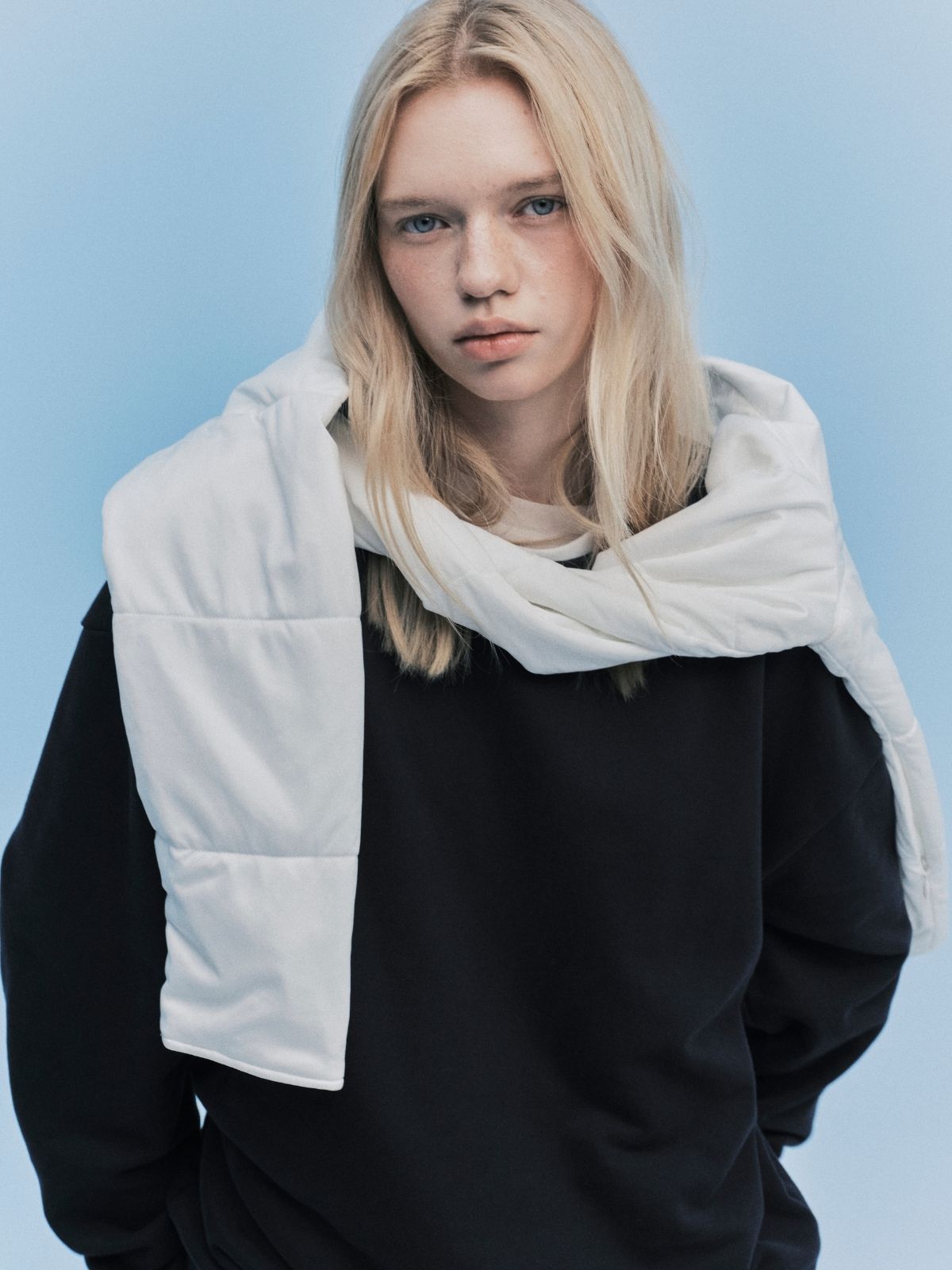
Studio Doe groups its winter pieces with tested thermal performance into three warmth levels—WARM+ LIGHT, MID, and HIGH—to make choosing the right option more intuitive.
From thermal base layers to lightweight down-effect outerwear, choose pieces to suit the temperature, the difference between indoor and outdoor conditions, and your activities. Then adjust your warmth through layering. Below, we explore what to wear in three winter scenarios: 15°C, 10°C, and 5°C.

15°C | Light Warmth, Relaxed Layers
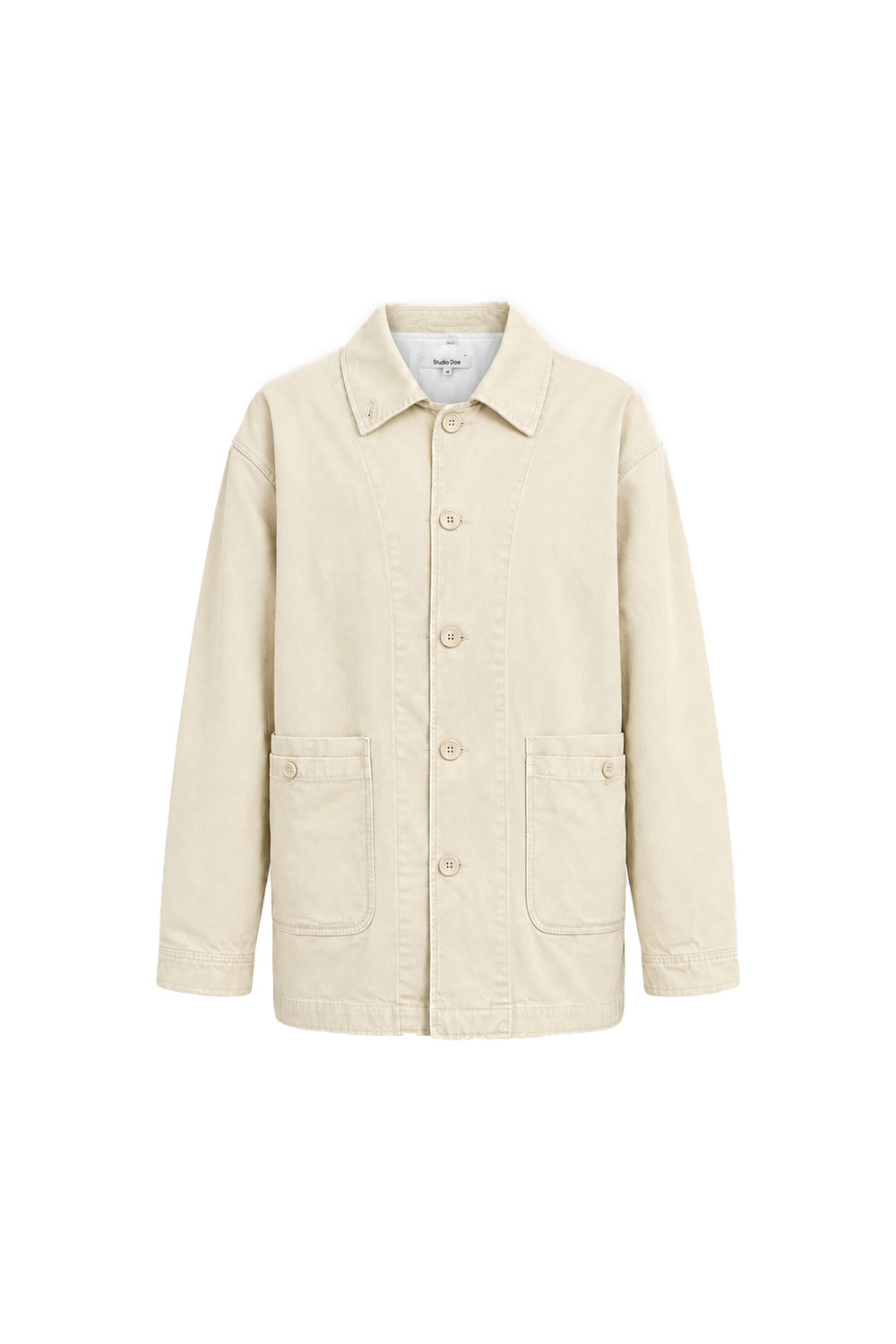
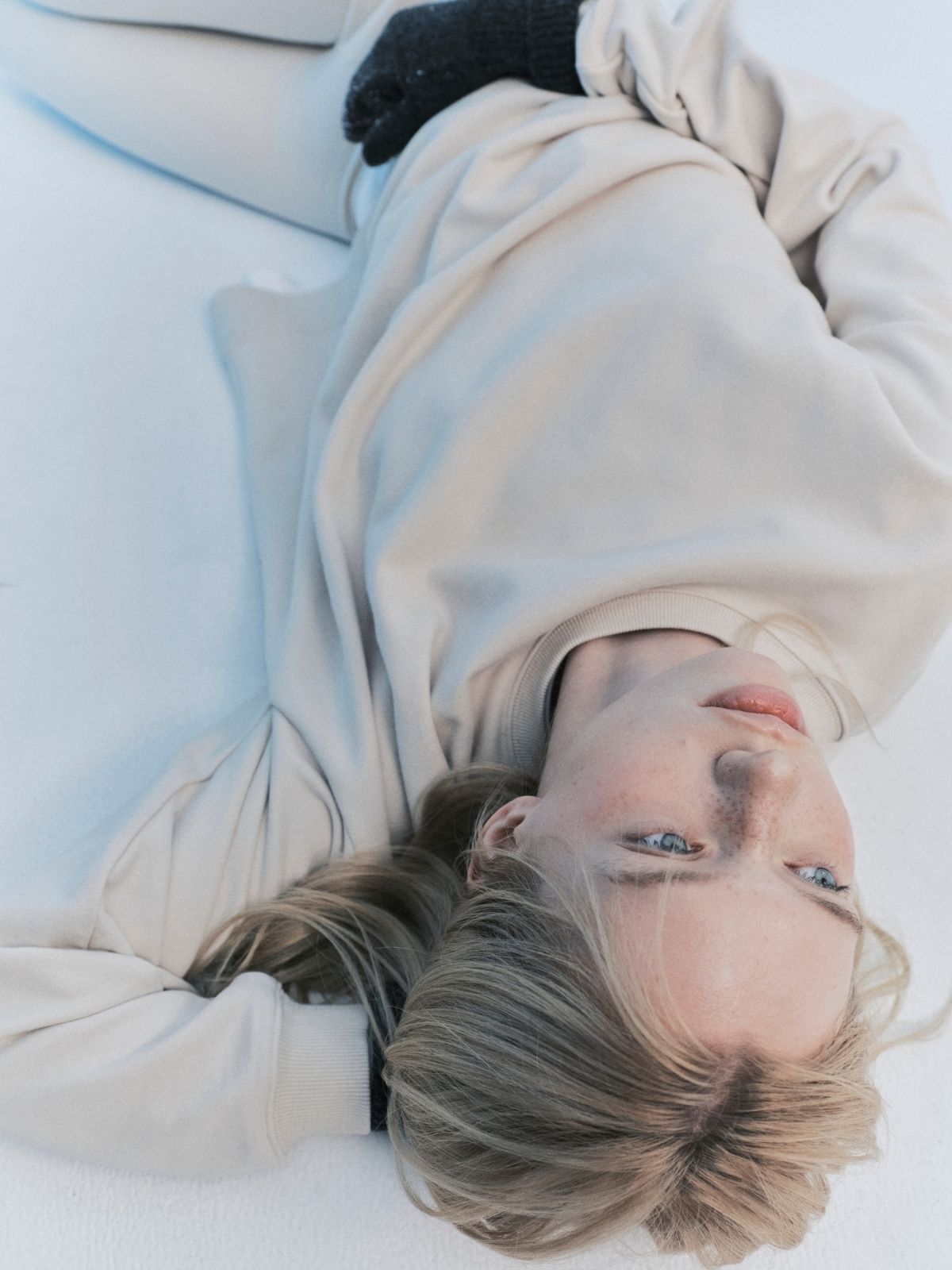
For mildly chilly days, a sweatshirt and lightly fleece-lined leggings make an easy, practical pairing. A loose-fitting top contrasts with a close-fitting bottom, balancing volume with the line of the legs. Add an easy-to-remove jacket for cooler mornings and evenings, and adjust as the temperature changes.
When choosing a sweatshirt, pay attention to the hem. Gathered or high-low designs add shape and interest, giving even a simple outfit enough detail. A length that covers the hips can also make leggings feel more comfortable to wear.
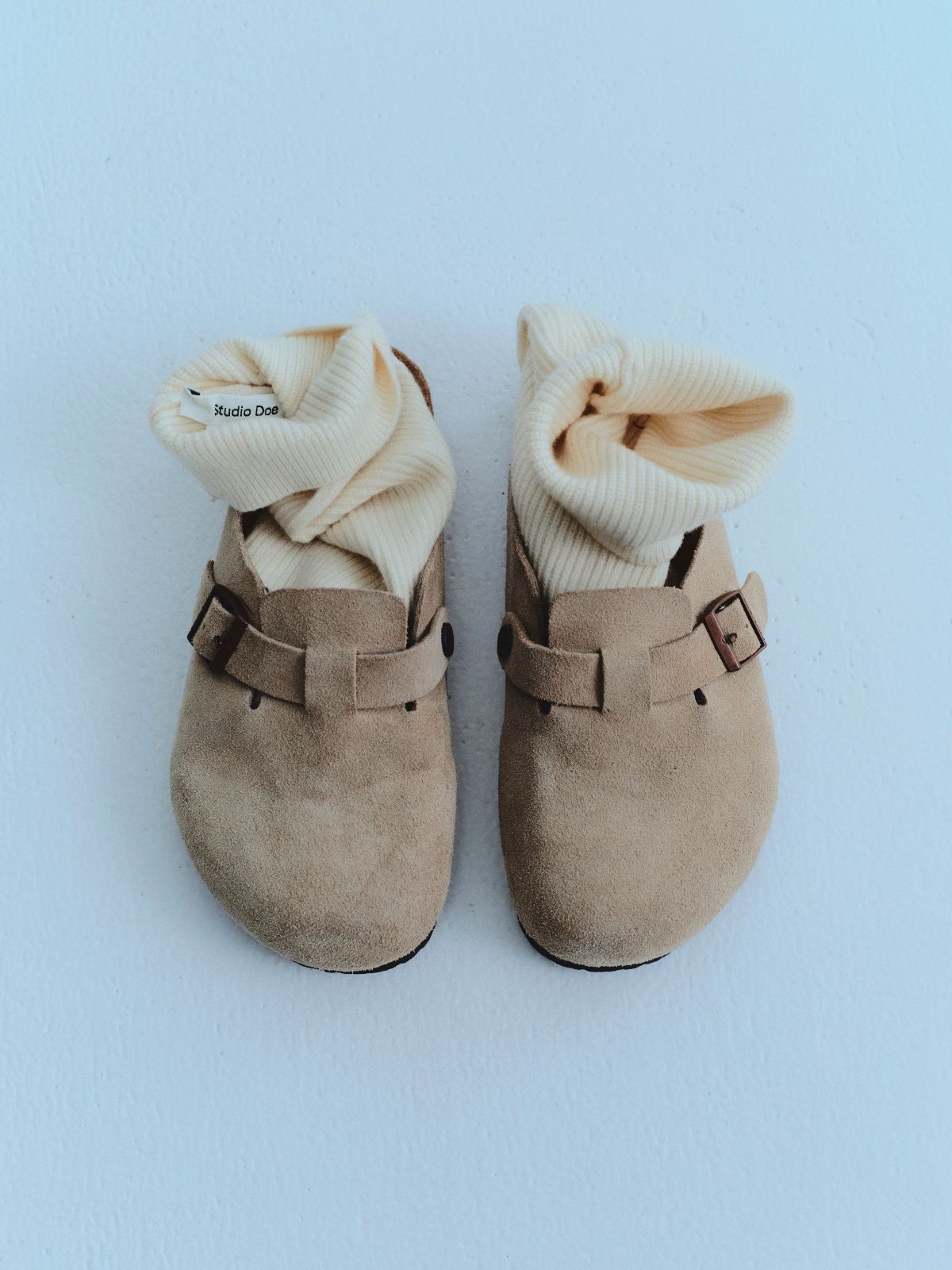
Shoes and socks can shift the mood of the whole outfit. Sneakers with a little sock showing keep the look casual. Ankle boots in a shade close to your pants create fewer breaks in color around the ankles, giving the legs a more continuous line.
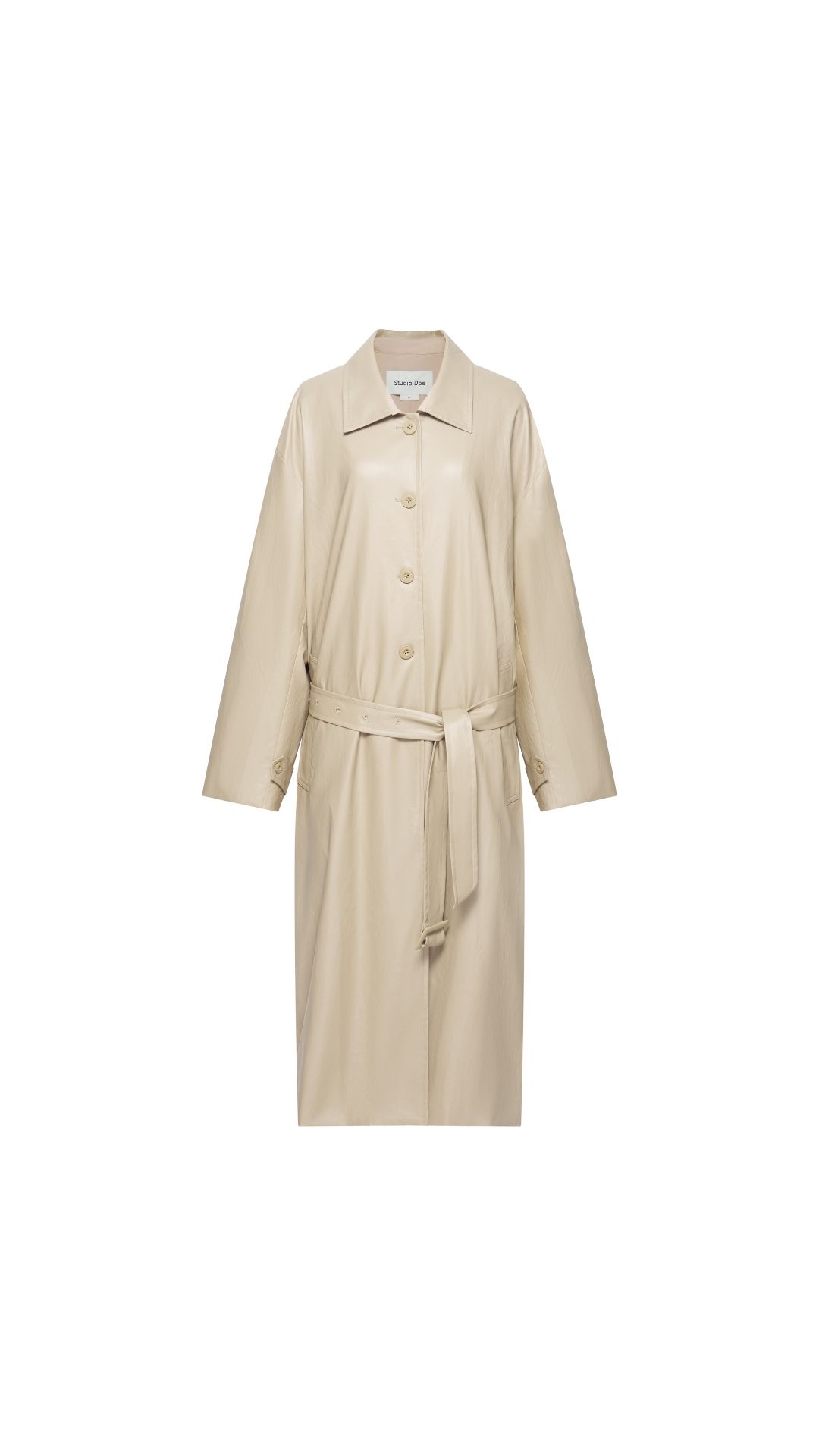
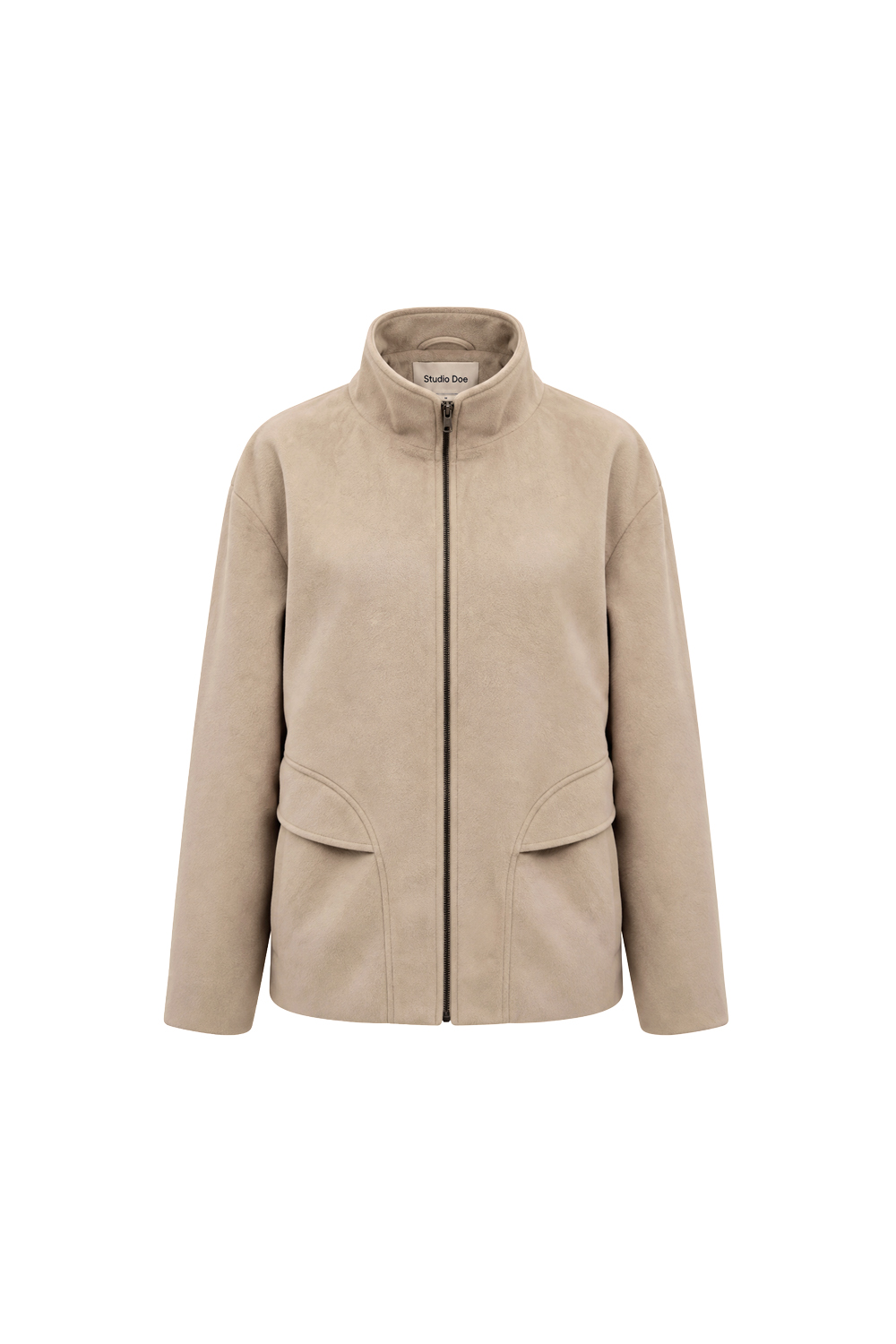
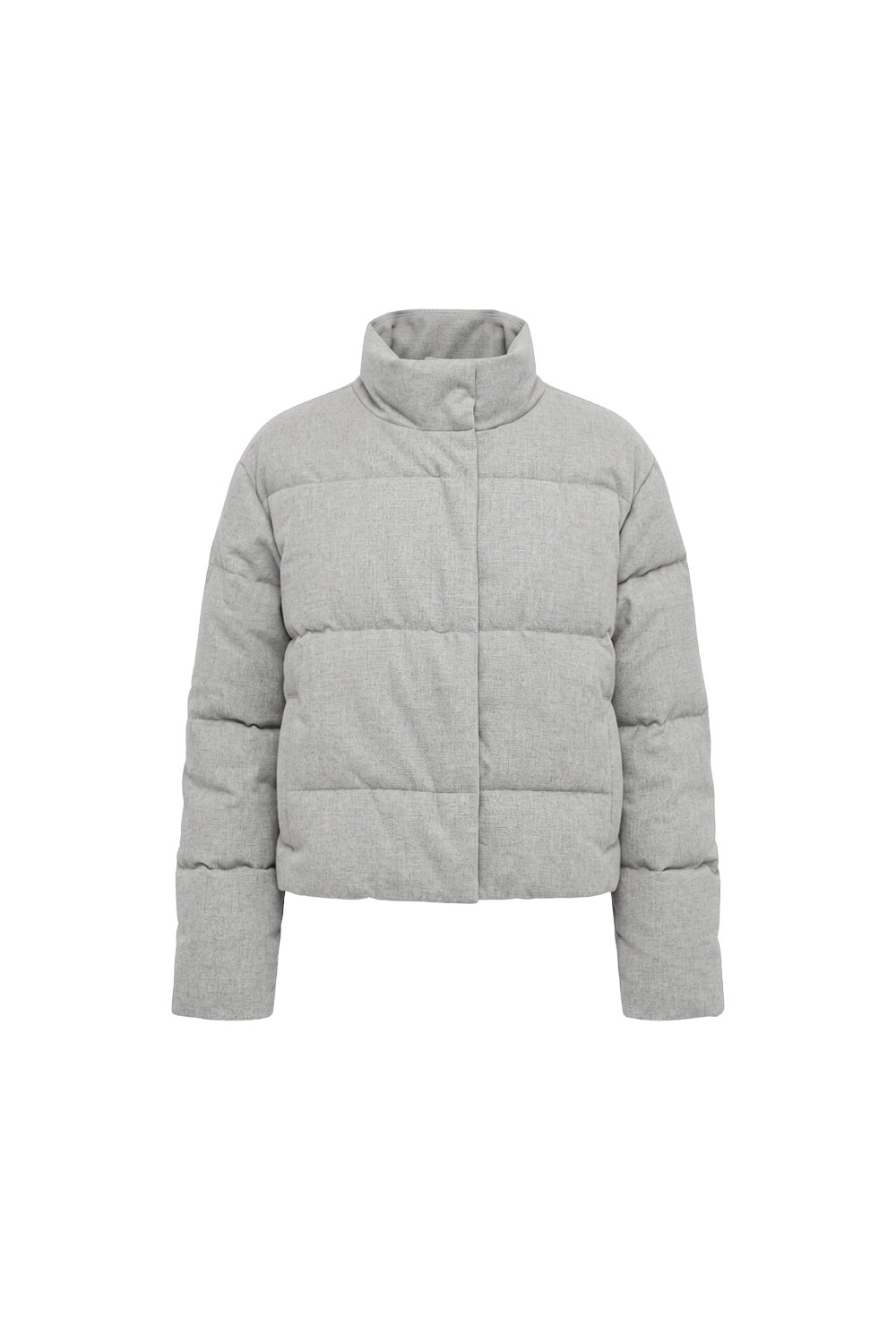
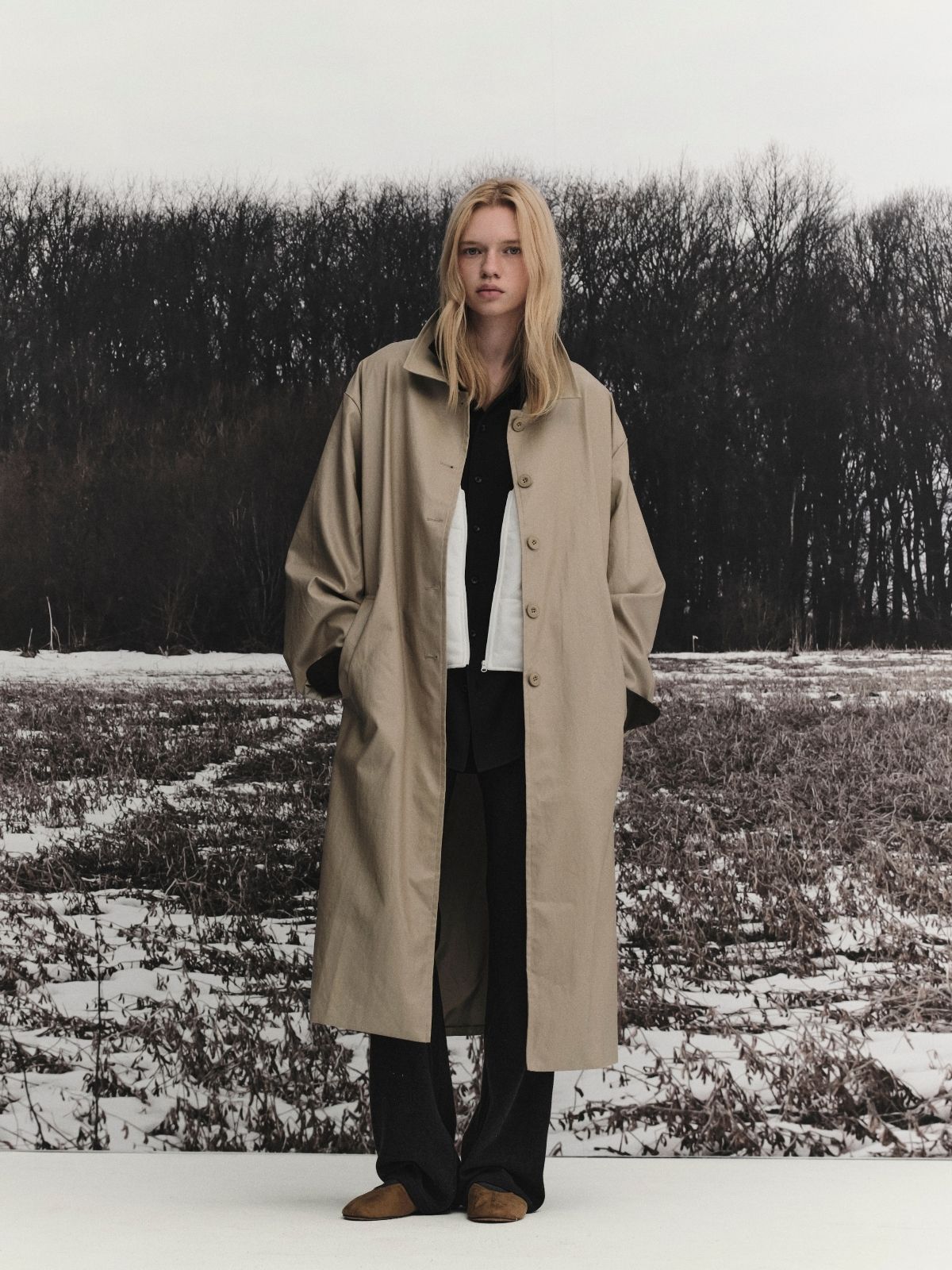
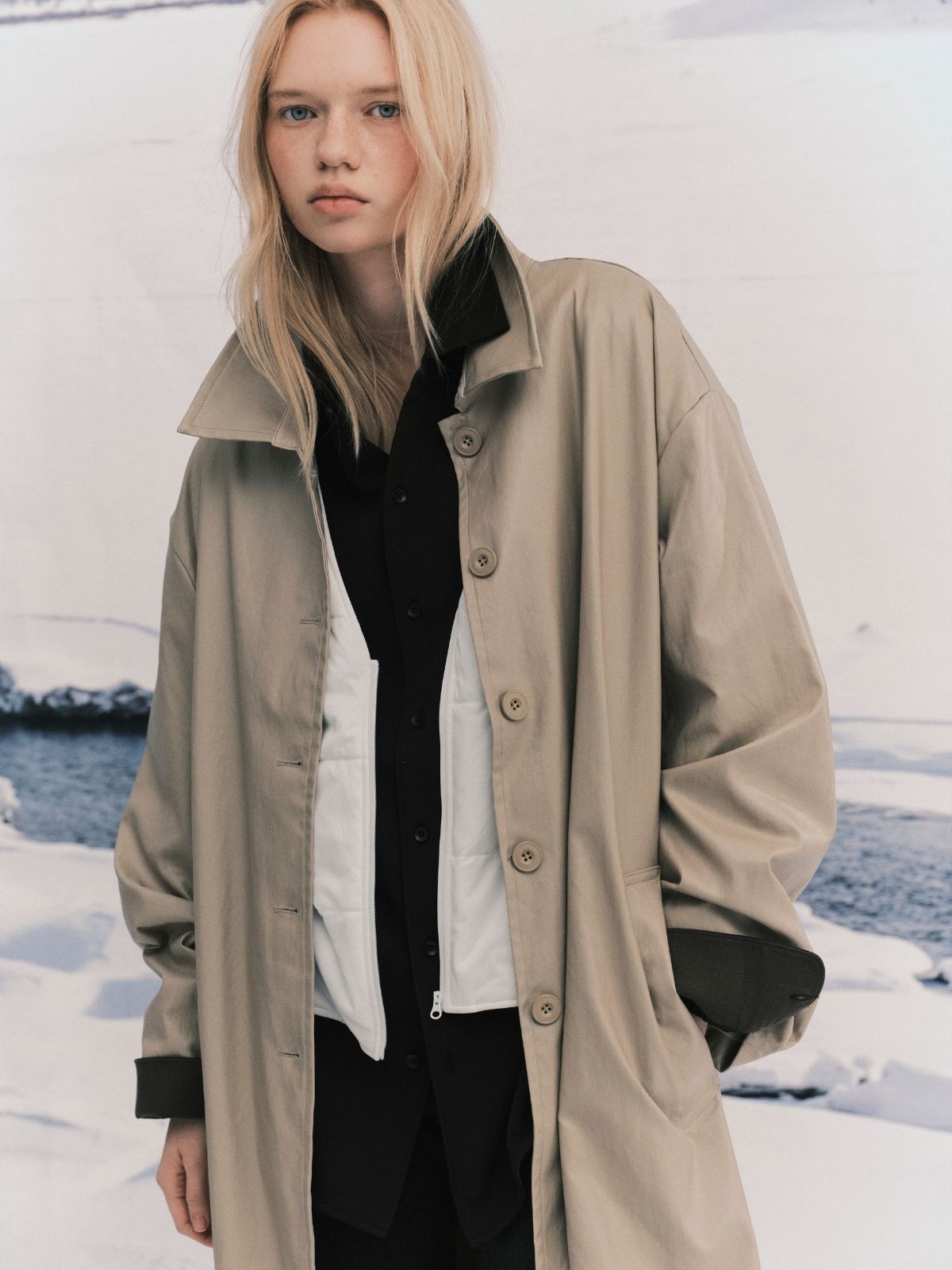
If you move frequently between indoors and outdoors, make your insulating piece an easy-to-remove mid layer. A lightweight padded jacket can be worn on its own or beneath a roomy coat, allowing you to remove a layer once inside.
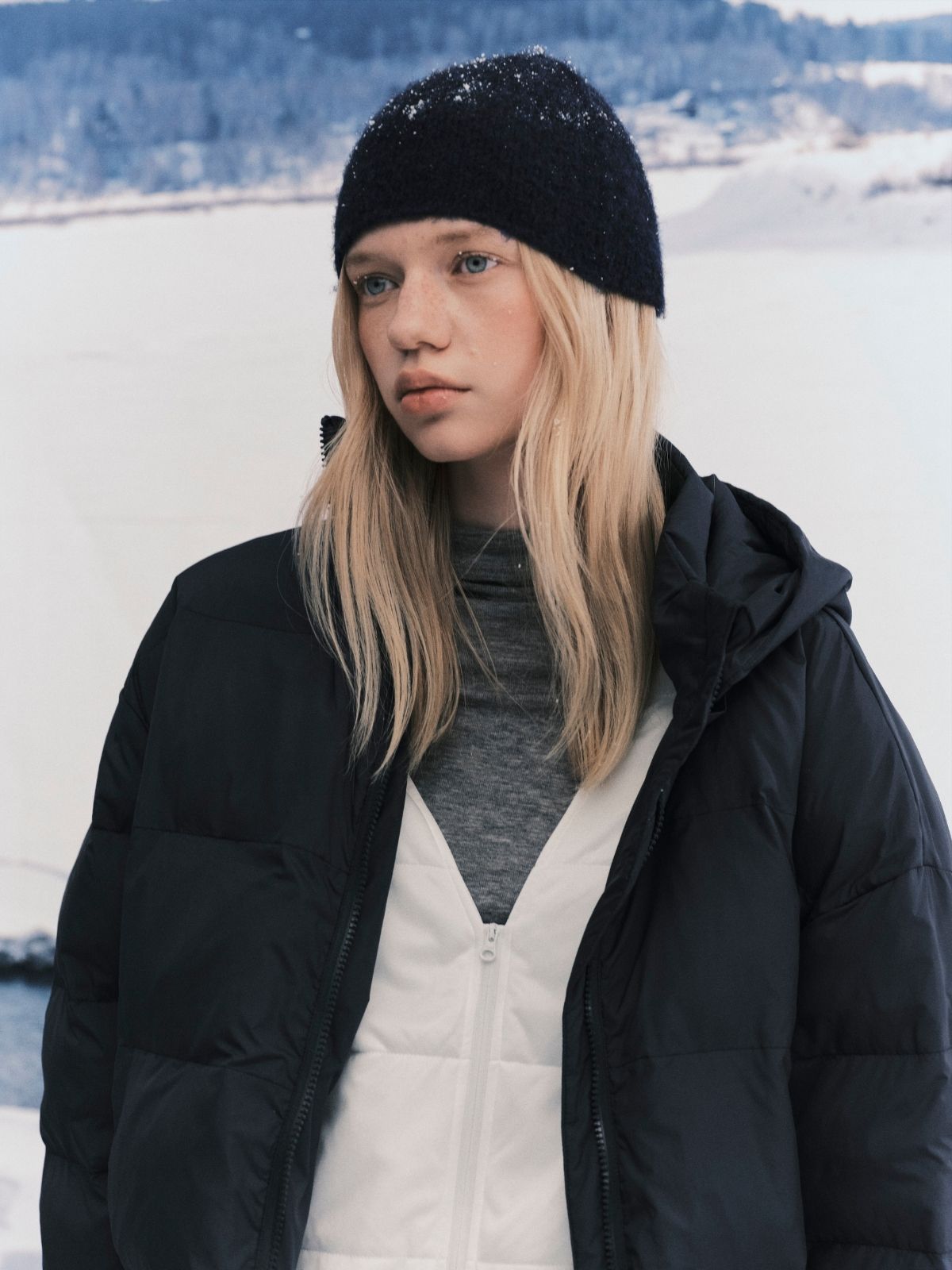
Pay attention to necklines and fit when layering. A jacket with a low neckline lets the shape of a fine turtleneck show through without crowding the neck with overlapping collars. Your outer coat should also leave enough room through the shoulders, sleeves, and chest for comfortable movement.
With several layers on top, fleece-lined straight-leg pants help balance the volume with a clean silhouette. Keep the palette simple: tonal combinations of off-white, gray, or darker shades can still create depth through the different textures of knitwear and outerwear.
When temperatures drop further, or your travel plans involve long hours outdoors, warmth for your legs and head deserves as much consideration as your outerwear.
A voluminous down-effect padded jacket paired with slim straight-leg pants creates a clear contrast in proportions. If you prefer wide-leg pants or long skirts, add lightly fleece-lined leggings underneath for extra warmth while keeping your usual style.
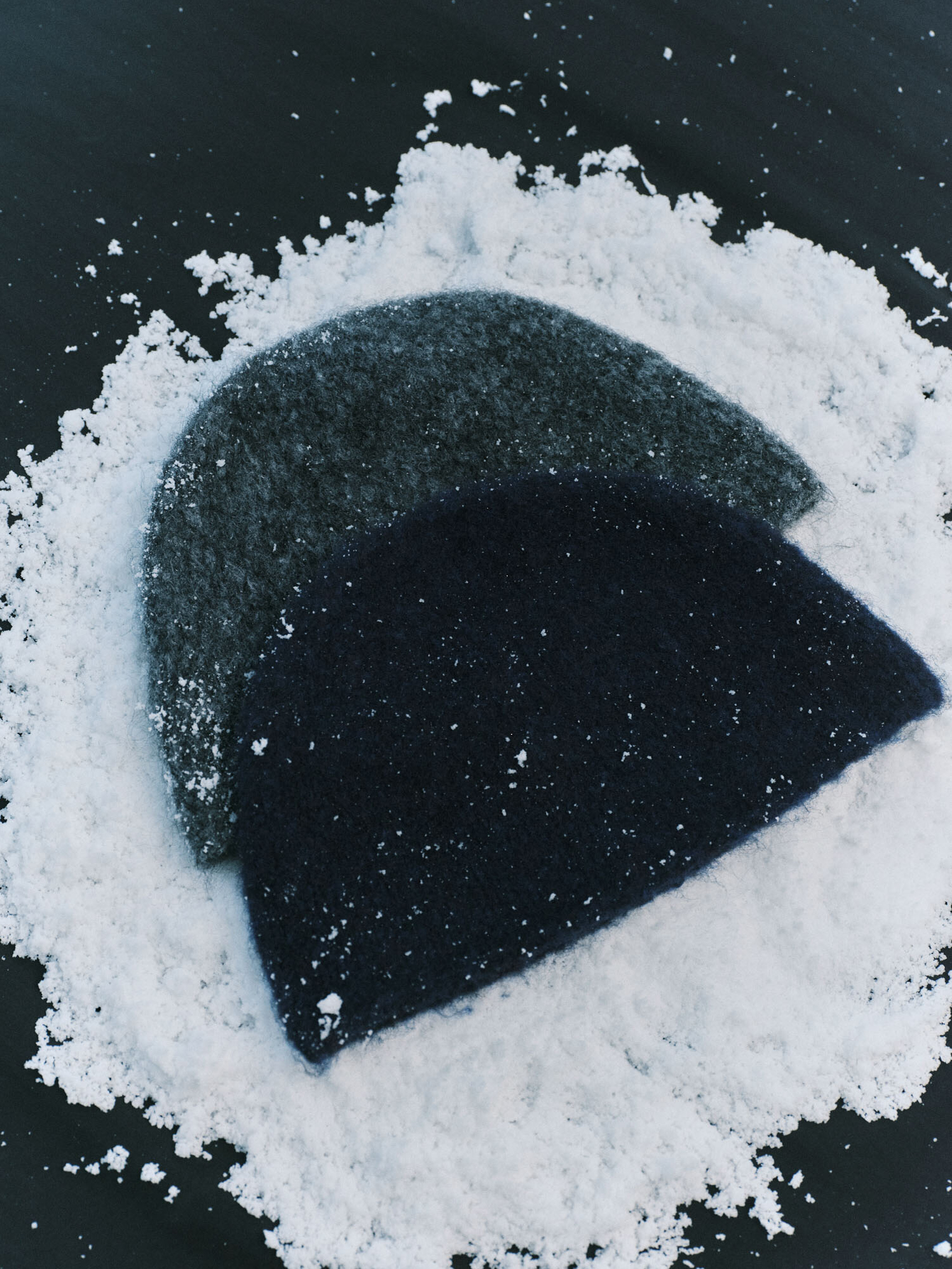
Hats bring warmth and a finishing touch to the outfit. Choose a shade close to your top or jacket for a cohesive palette, or use off-white and light gray to brighten darker clothing. A soft, fuzzy texture adds a gentle variation to winter layers.
“SMART WARM+” WINTER ESSENTIALS
11/25 9PM COMING SOON (GMT+8)