Chairs are more than chairs; they are collectible works of art. In furniture design there are many chairs regarded as "legendary," whose timeless designs remain classic today and have even been acquired by museums. They are no longer just furniture — they can represent shifts in eras or the evolution of design styles, and embody the designers’ life philosophies. Arne Jacobsen, Gerrit Thomas Rietveld, and Børge Mogensen are all legendary furniture designers; owning a piece designed by them is a form of investment.
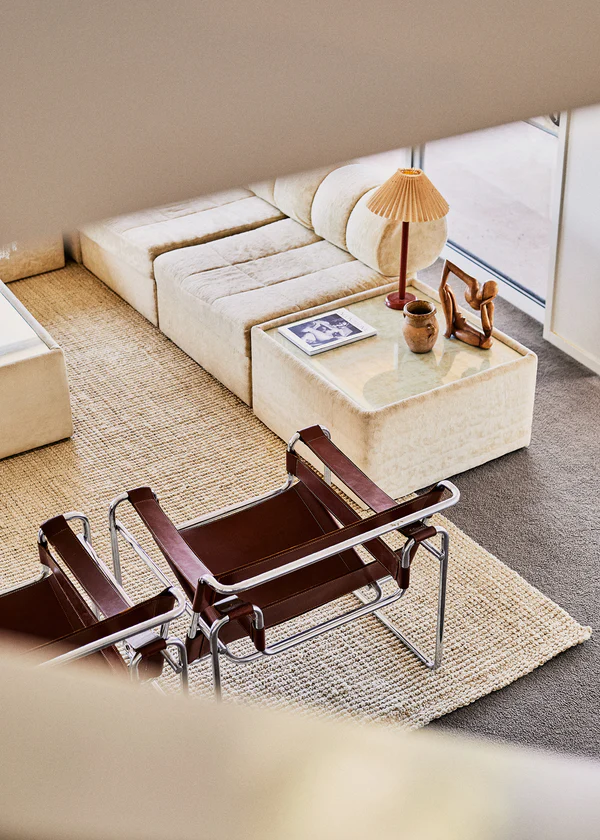
The Wassily Chair is considered the ancestor of tubular steel furniture and was created by architect Marcel Breuer in 1925. Most chairs had traditionally been made of wood, but Marcel Breuer, who was born in Hungary and loved cycling, drew inspiration from the metal tubes of bicycles to design this classic Wassily Chair, which kicked off a wave of tubular steel furniture design that eventually influenced today’s industrial style. Marcel Breuer’s design philosophy is Less is more, and the Wassily Chair embodies the economical value of that spirit.
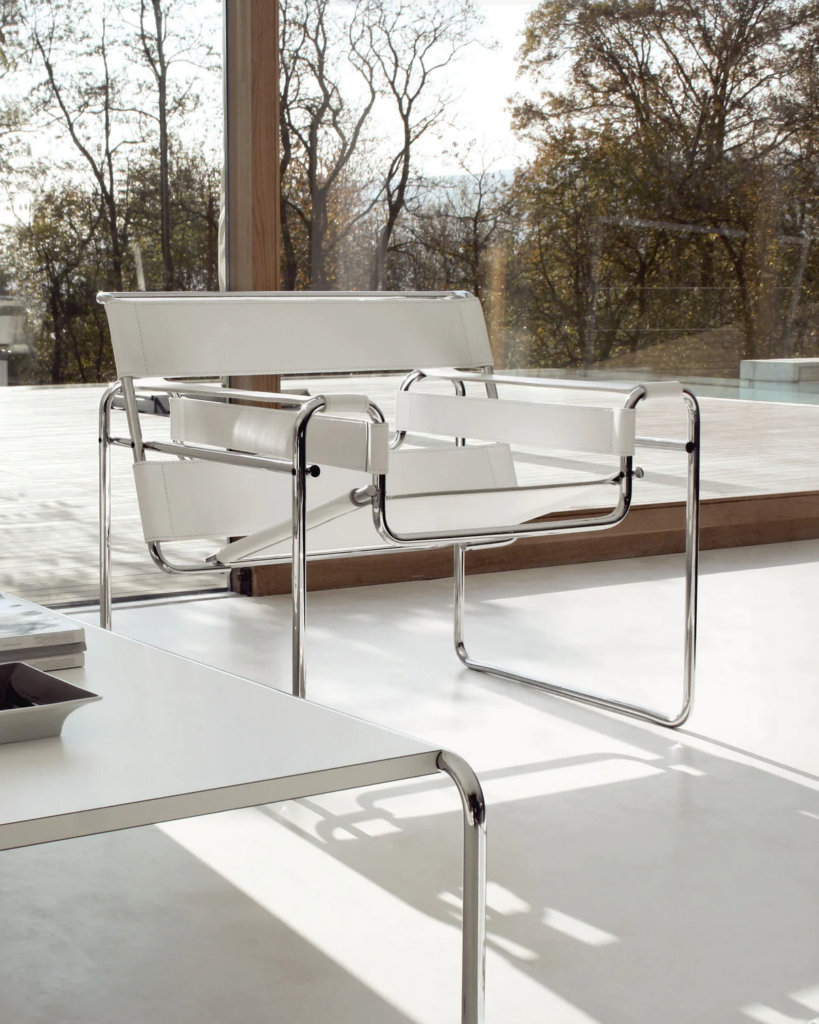
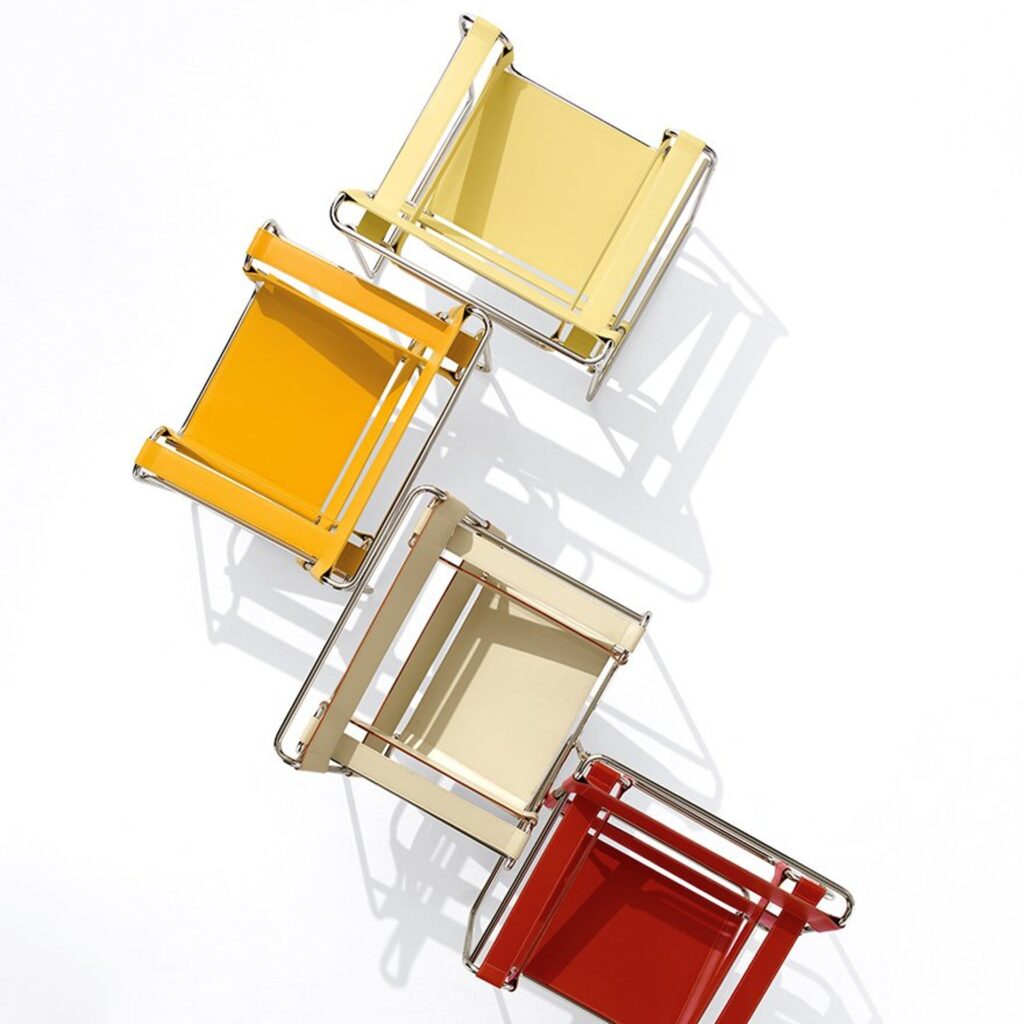
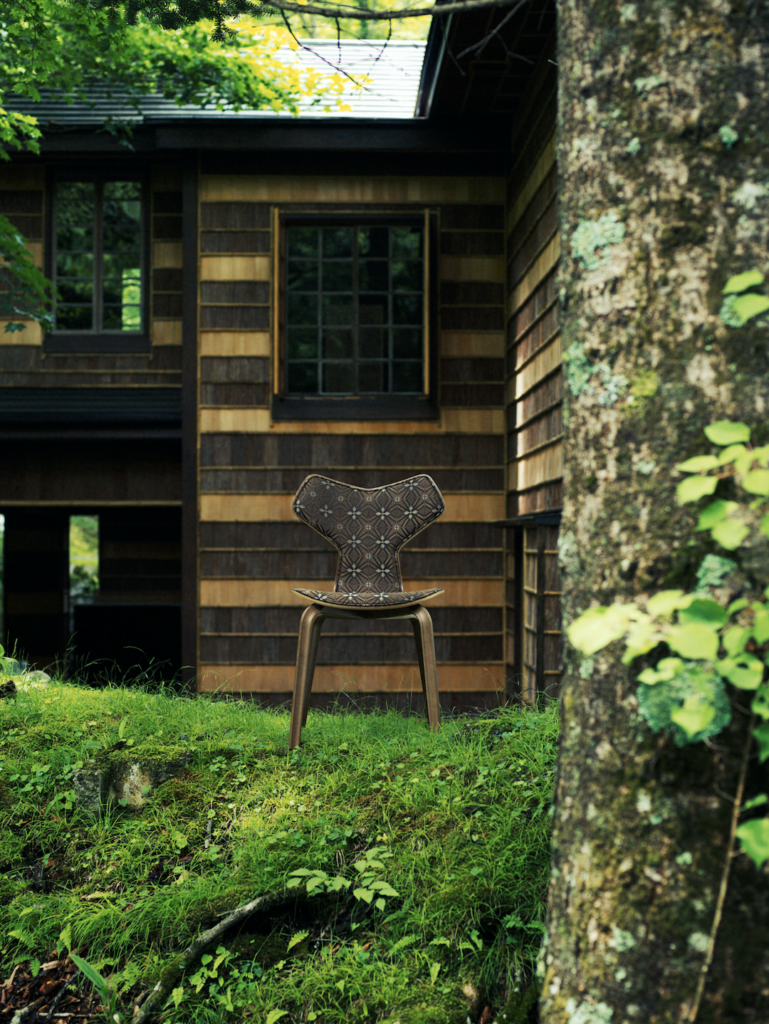
Fritz Hansen is a Danish design brand founded in 1872 that frequently collaborates with internationally renowned masters. One iconic piece created by Arne Jacobsen in 1957 is the Grand Prix; its distinctive yet simply flowing form is its hallmark. That work won the Grand Prix at the Milan Triennale Design Exhibition that same year, and was named in honor of that award.
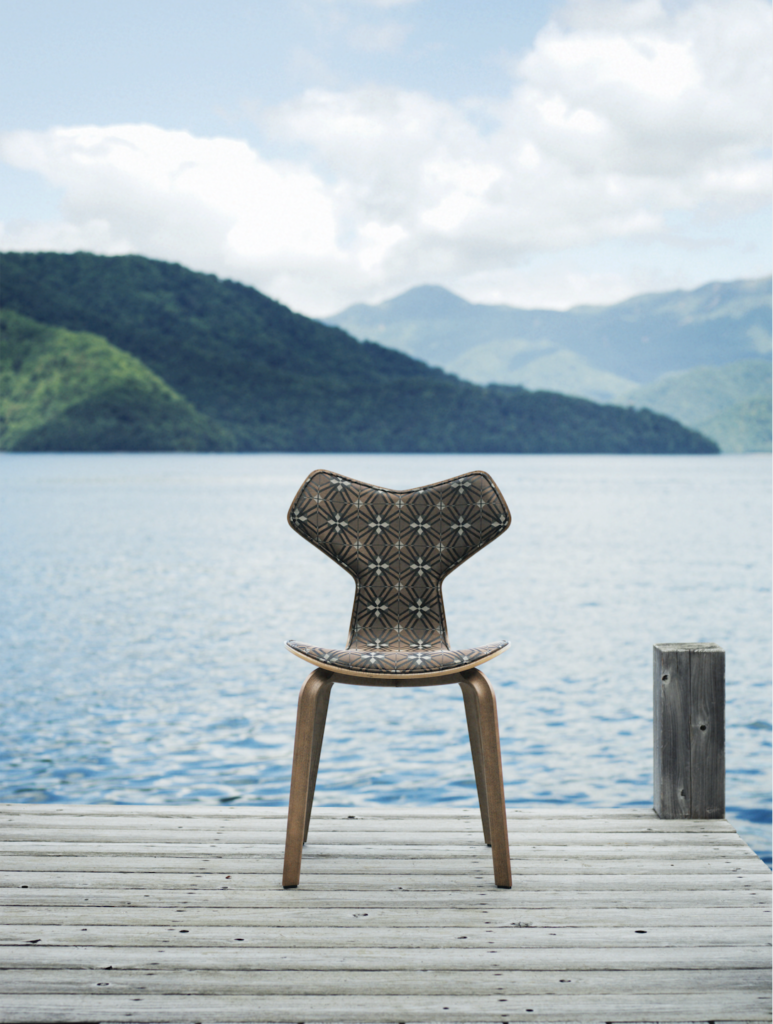
In 2020, Japanese outdoor fashion brand White Mountaineering released an Asia-exclusive collaborative edition of the Grand Prix, incorporating a traditional Japanese wood mosaic pattern called "Yosegi-zaiku" into the chair and coordinating it with wooden legs. The collaborative Grand Prix was limited to 300 pieces across all of Asia that year, with Taiwan allocated only 48.
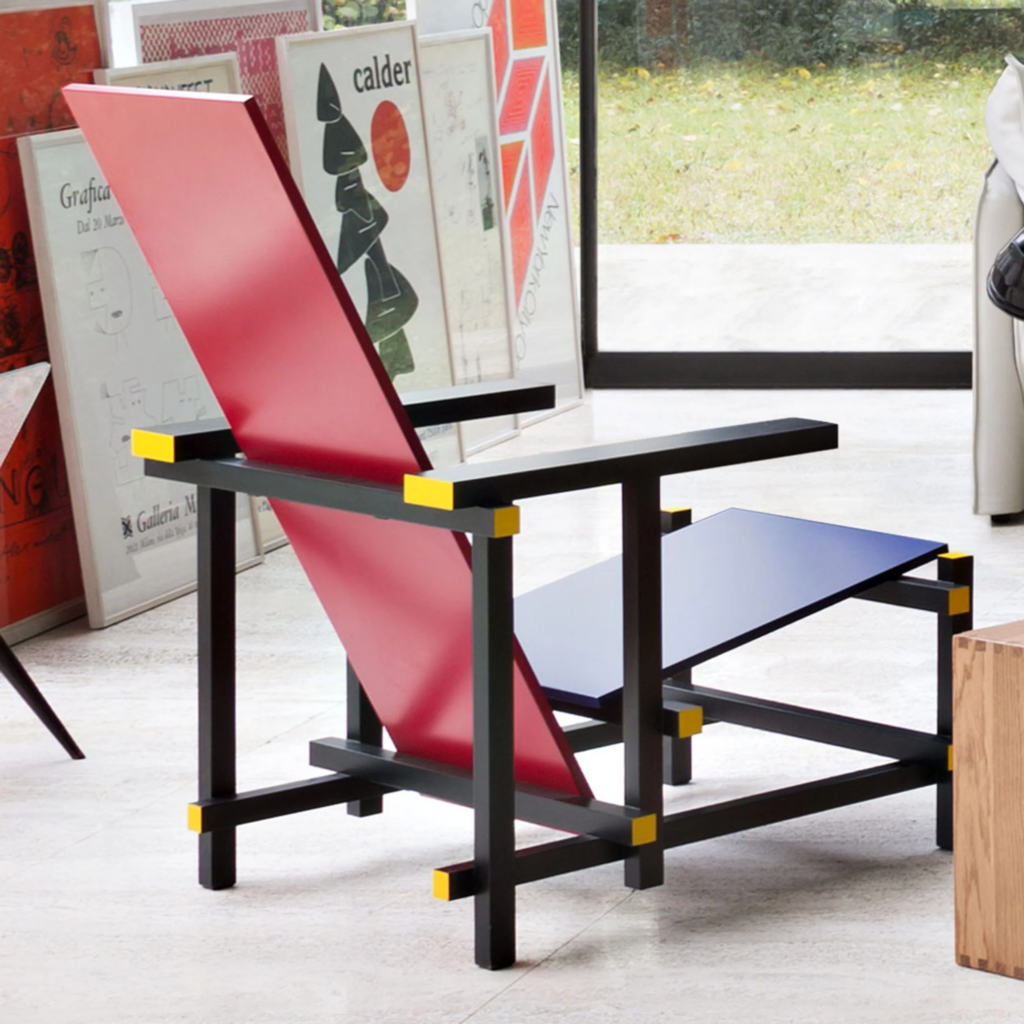
The Red and Blue Chair, commonly called the “Red-Blue Chair,” is actually a work of art placed in museum exhibitions. Created by Gerrit Thomas Rietveld, one of the most important Dutch furniture designers of the 20th century, it is a three-dimensional representative piece from the early De Stijl movement. Later, American architect Philip Johnson gave one as a gift to the Museum of Modern Art in New York.
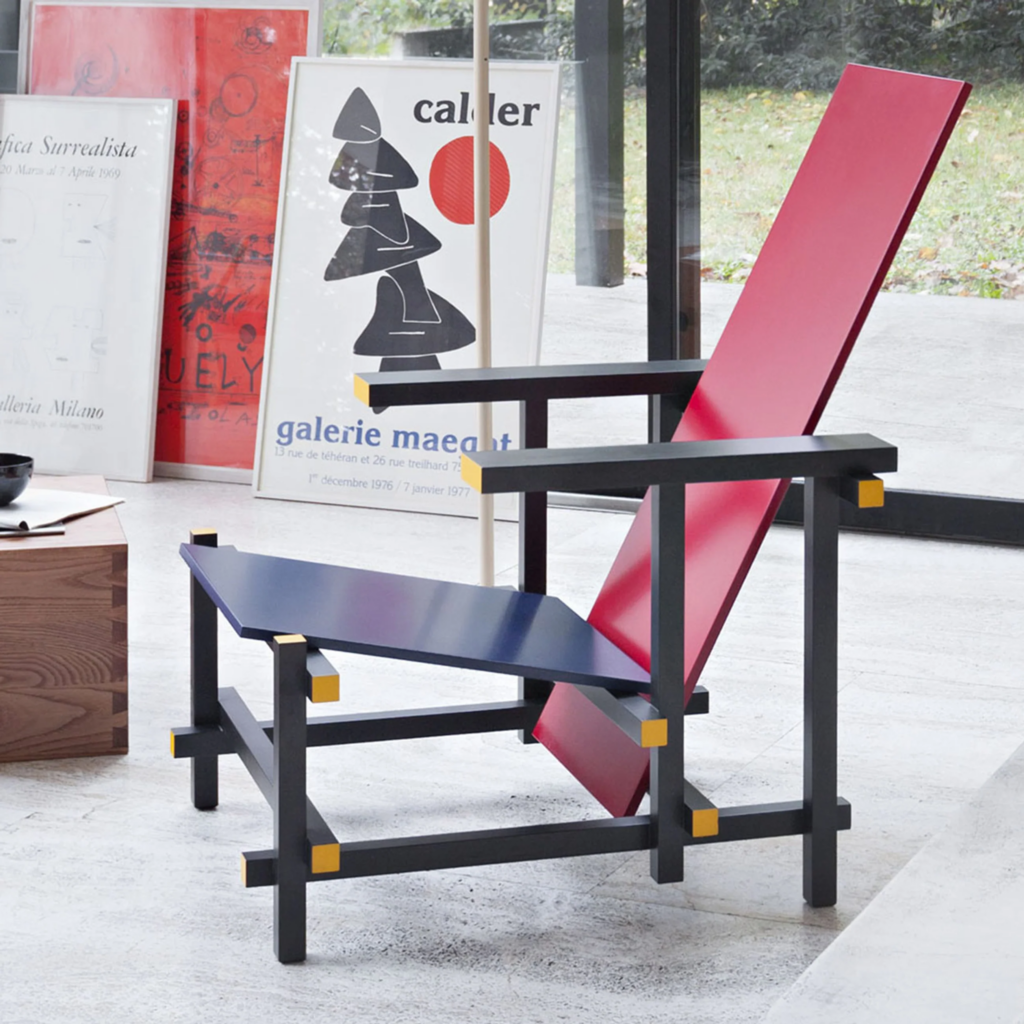
However, this “Red-Blue Chair” is often criticized for being uncomfortable to sit in. British art historian Paul Overy wrote in his book De Stijl that Gerrit Thomas Rietveld’s designs were not interested in traditional notions of comfort, echoing Rietveld’s famous line: “If you want to sit more comfortably, lie down in bed.”
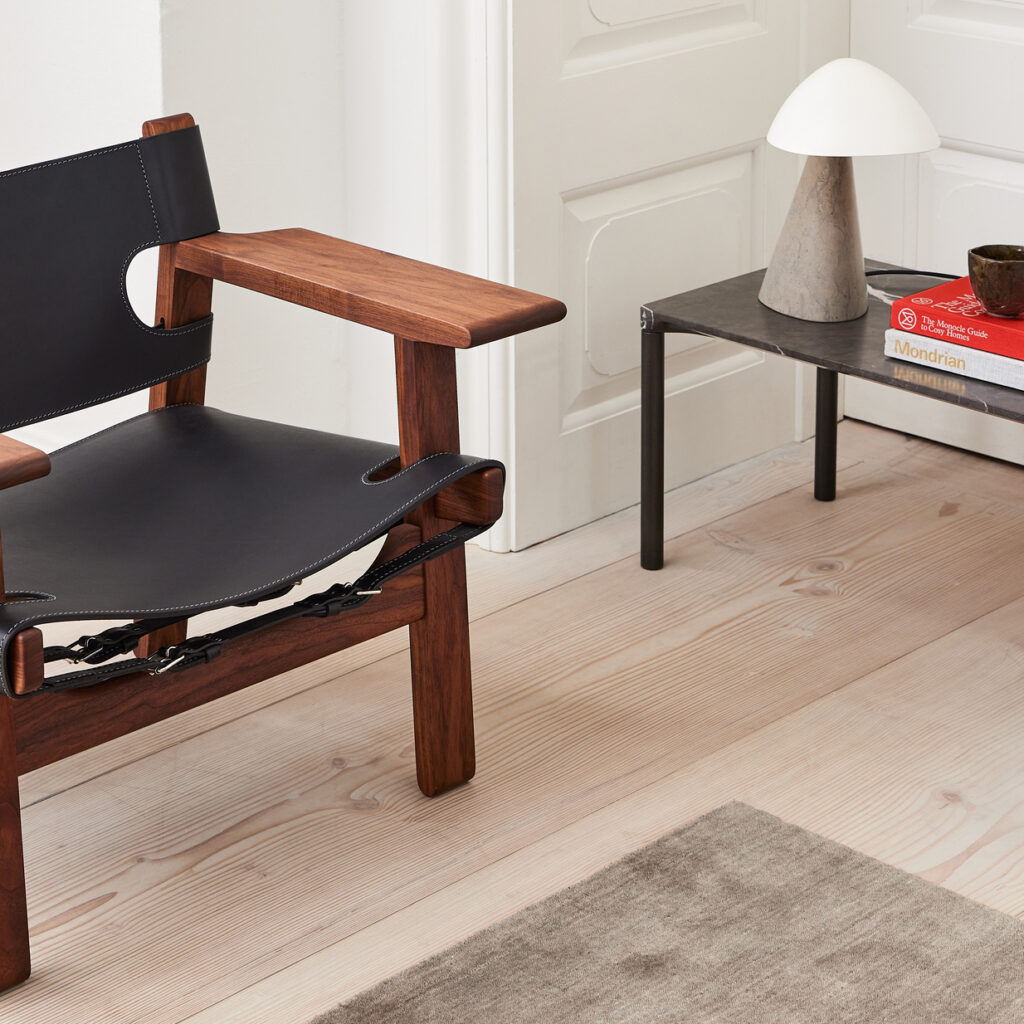
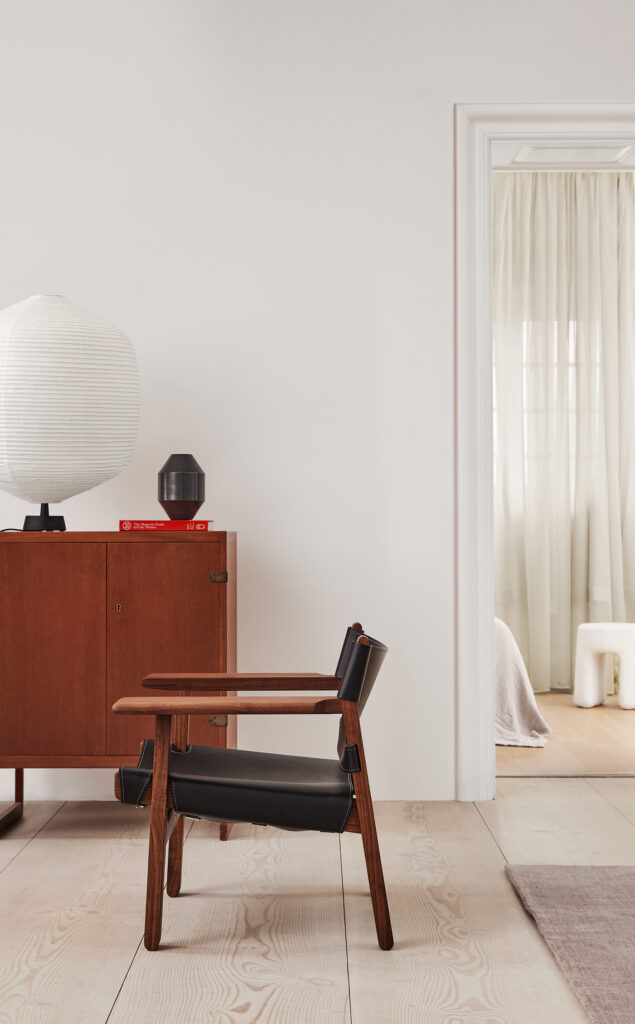
Anyone who admires the simple, comfortable Nordic lifestyle will surely like The Spanish Chair. This chair was designed by Børge Mogensen for FREDERICIA in 1958. He was inspired by Islamic culture during his travels in Spain. The design replaces ornate carved decoration with clean, simple lines, using a solid wood frame and saddle-leather seat and back, resulting in a sleek, fashionable appearance. A global limited 60th-anniversary edition — olive green, Børge Mogensen’s favorite color — was later released.
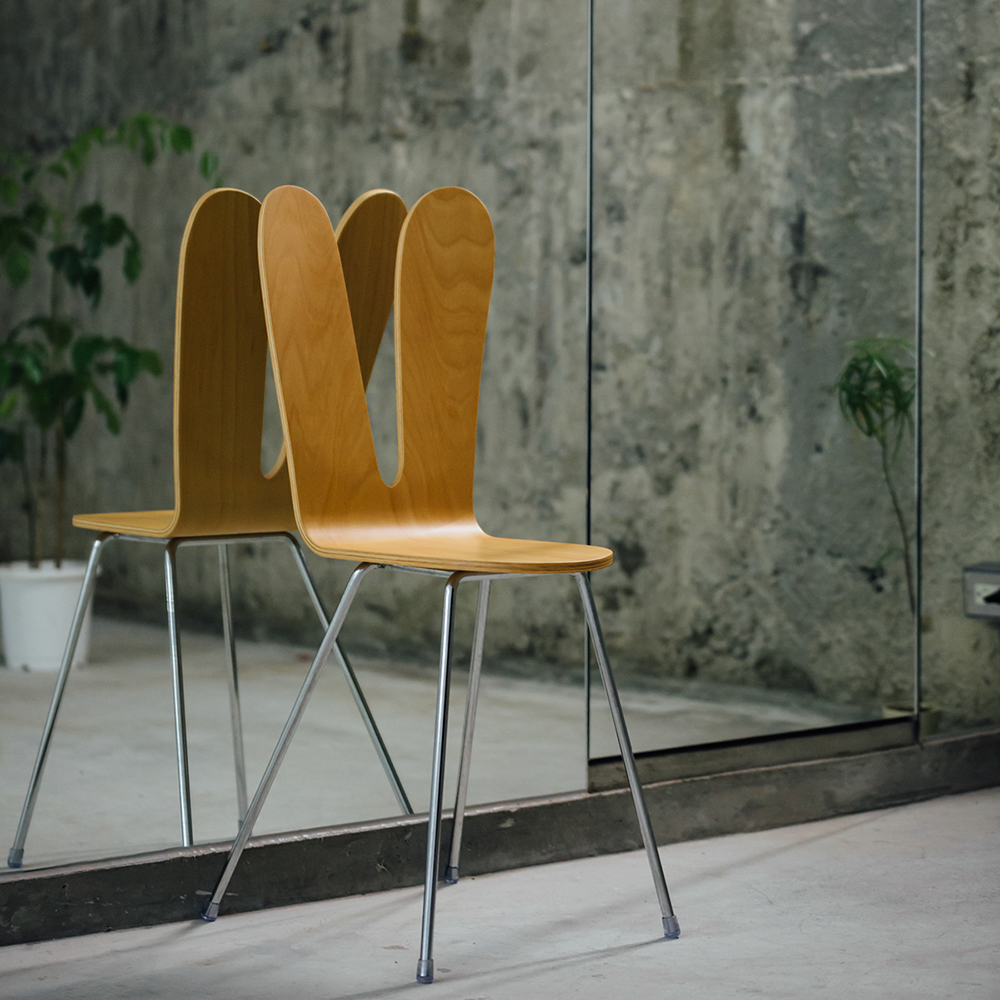
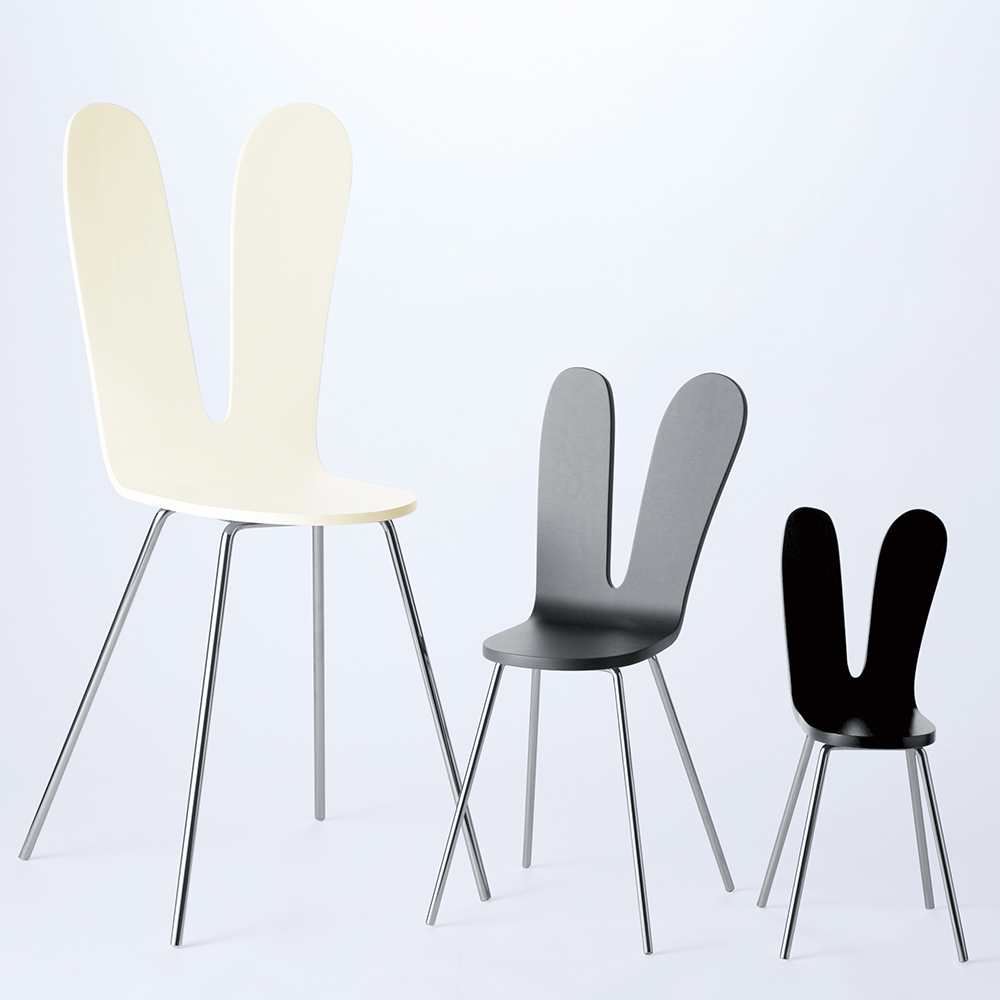
The SANAA Chair has an endearing nickname, the “Rabbit Chair.” It was created by contemporary Japanese architect Kazuyo Sejima. Alongside Zaha Hadid and I. M. Pei, she has received architecture’s highest honor, the Pritzker Prize; she is the world’s second female architect to receive this distinction. The 21st Century Museum of Contemporary Art in Kanazawa is one of her signature works. The SANAA Chair’s playful, simple rabbit-ear backrest is a classic design icon beloved by the public.
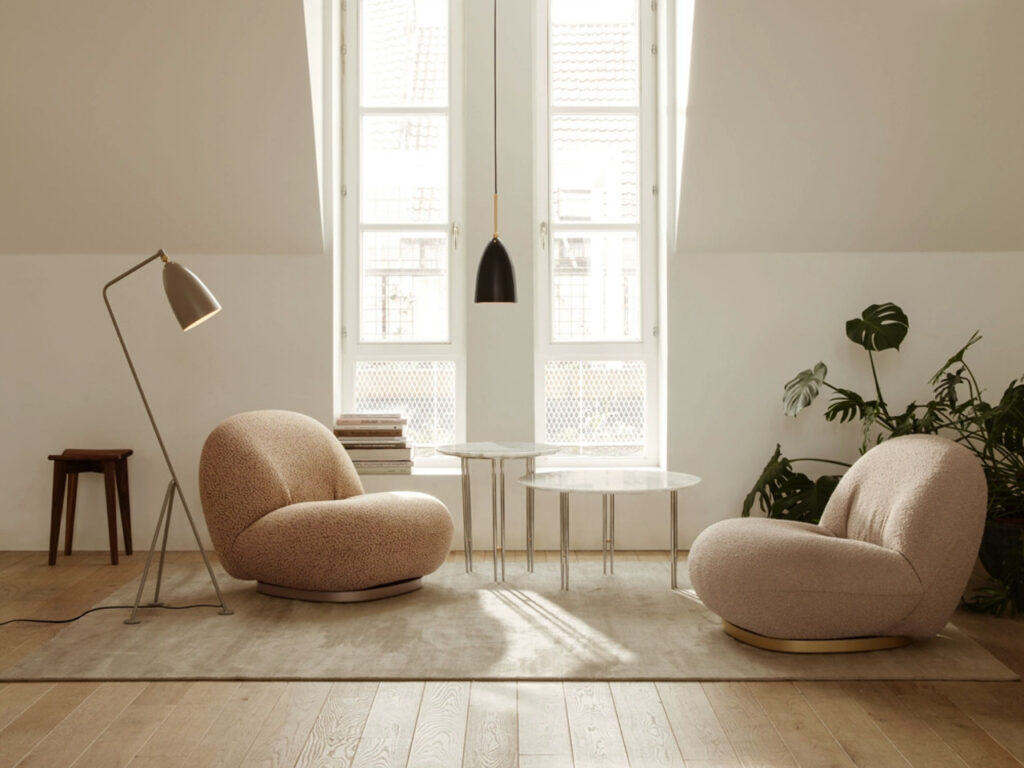
The cloud-like Pacha Chair was created in 1975 by the legendary French designer Pierre Paulin. It is a modernist piece that combines exceptional comfort with high functionality. The Pacha Chair eliminates a conventional leg structure, breaking past leisure-chair design norms; its innovative craftsmanship demonstrates Pierre Paulin’s forward-looking, unconventional creative style. Paulin’s work emphasizes ergonomic precision and he excels at bringing vitality to pieces in novel ways, which is why his designs endure.

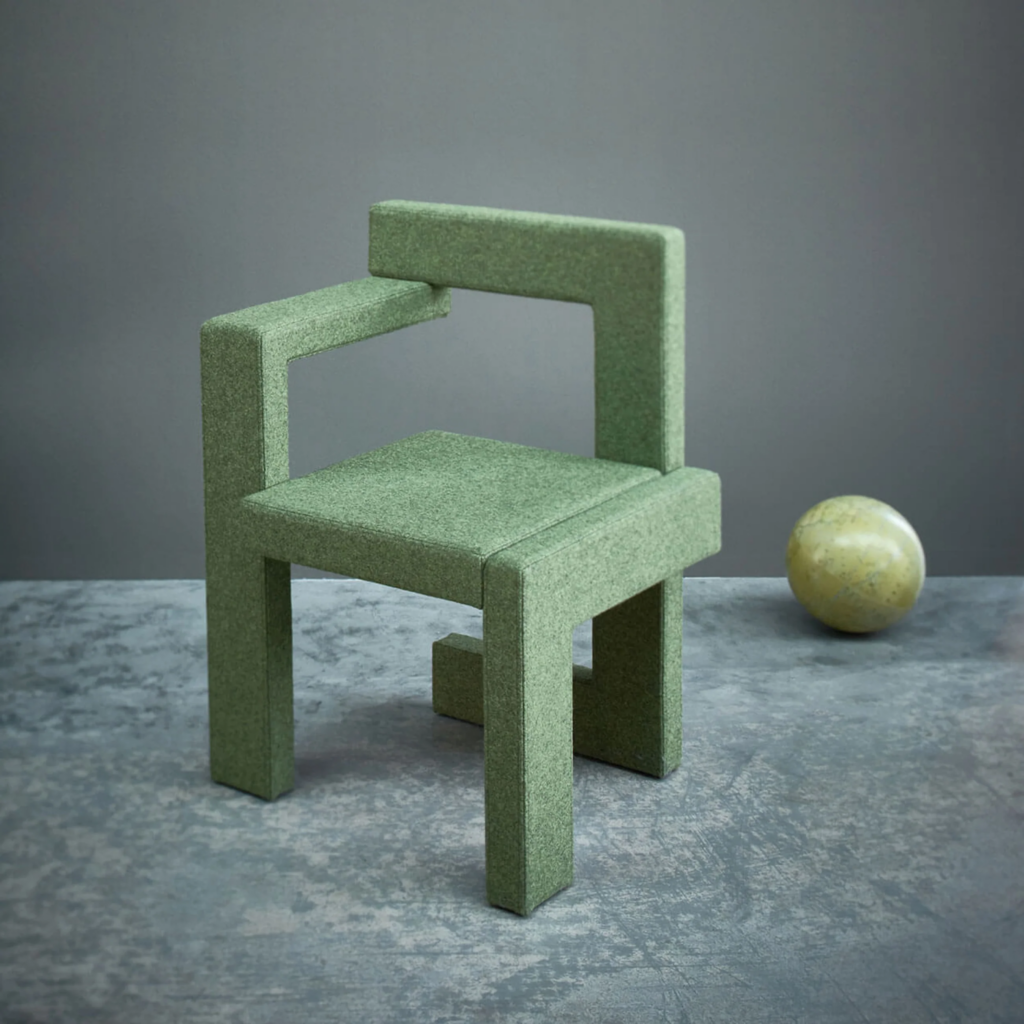
Designed by Gerrit Rietveld in 1963, the Steltman Chair turns the chair into an art sculpture. Through asymmetrical stacking of wooden boards it achieves balance between vertical and horizontal, and its dynamic, sculptural form derives from the De Stijl movement. During World War I, De Stijl artists in the Netherlands applied three principles across painting, sculpture, design, and architecture: flat planes and linearity, primary colors, and asymmetric structures. Gerrit Rietveld’s Steltman Chair perfectly embodies this style.
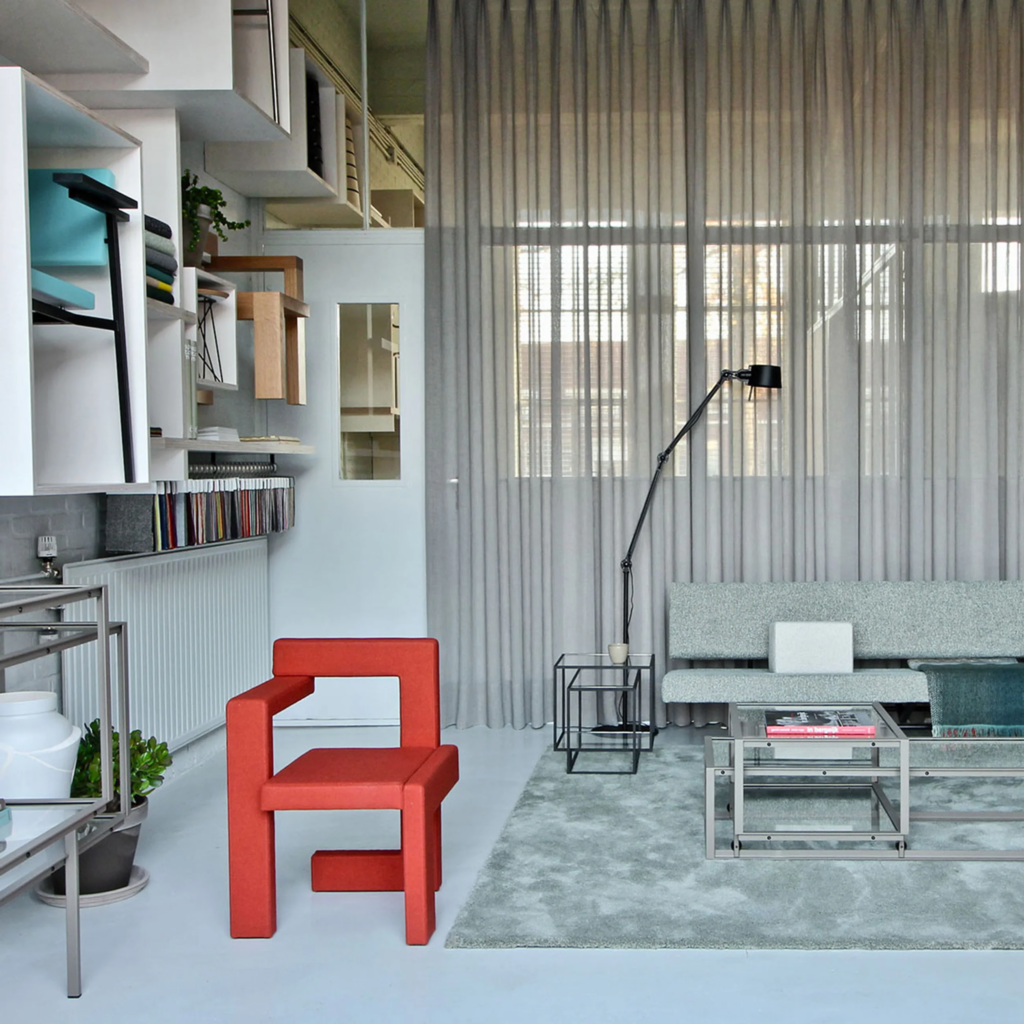
A seemingly simple chair can create unexpected aesthetic effects in a home. It’s like a "sit-able work of art," expressing a pursuit of beauty and a refined lifestyle.
