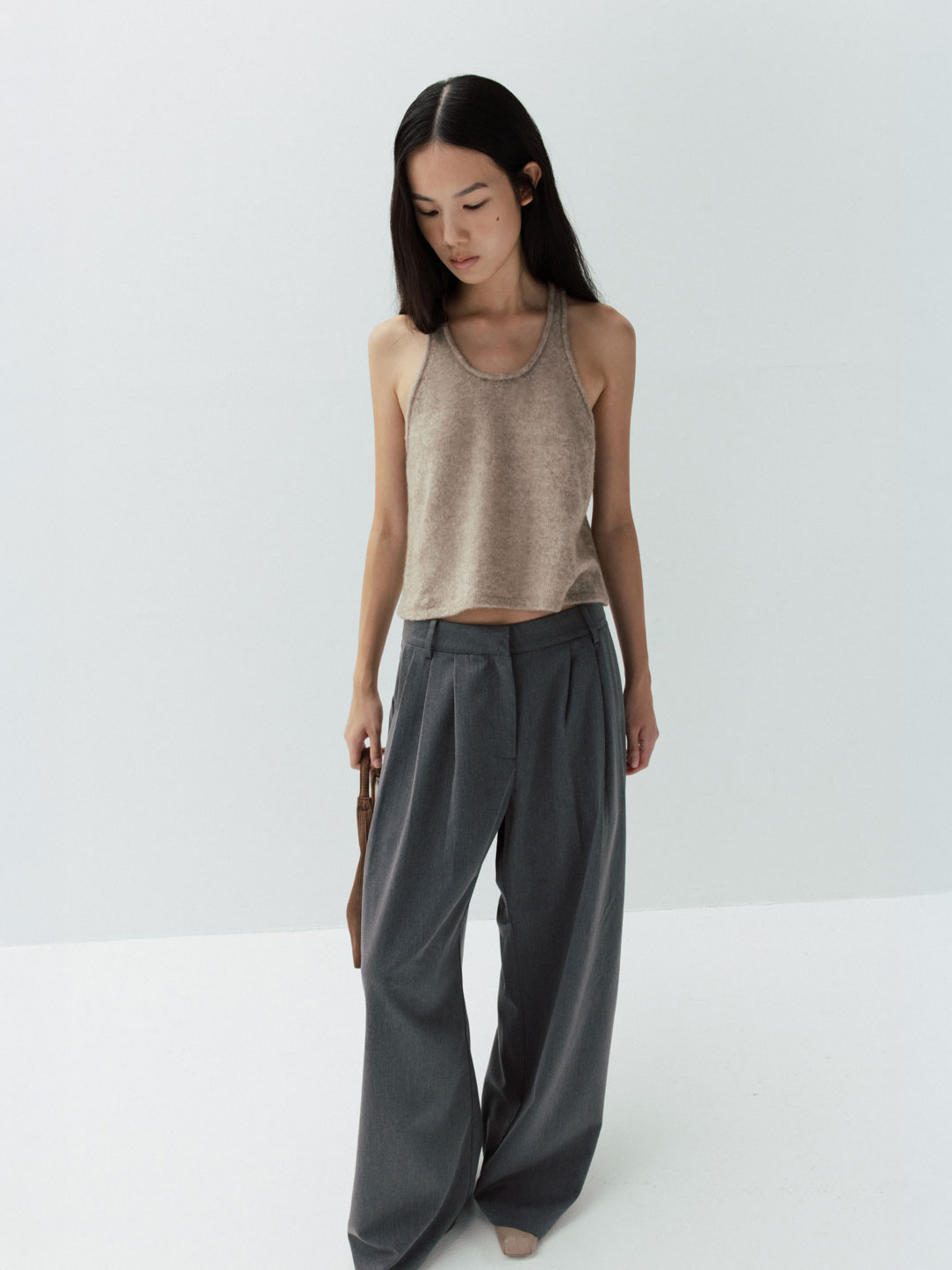
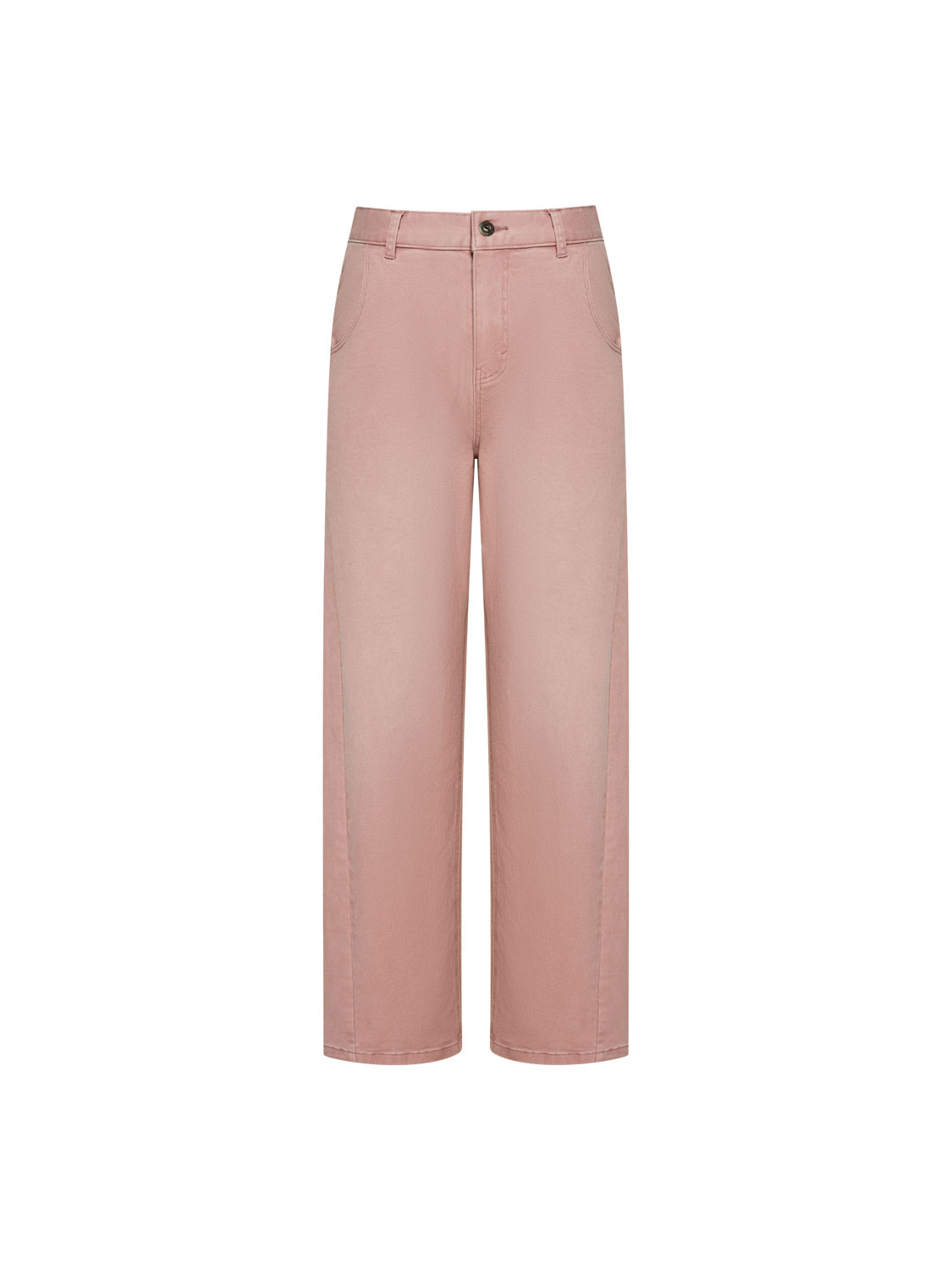
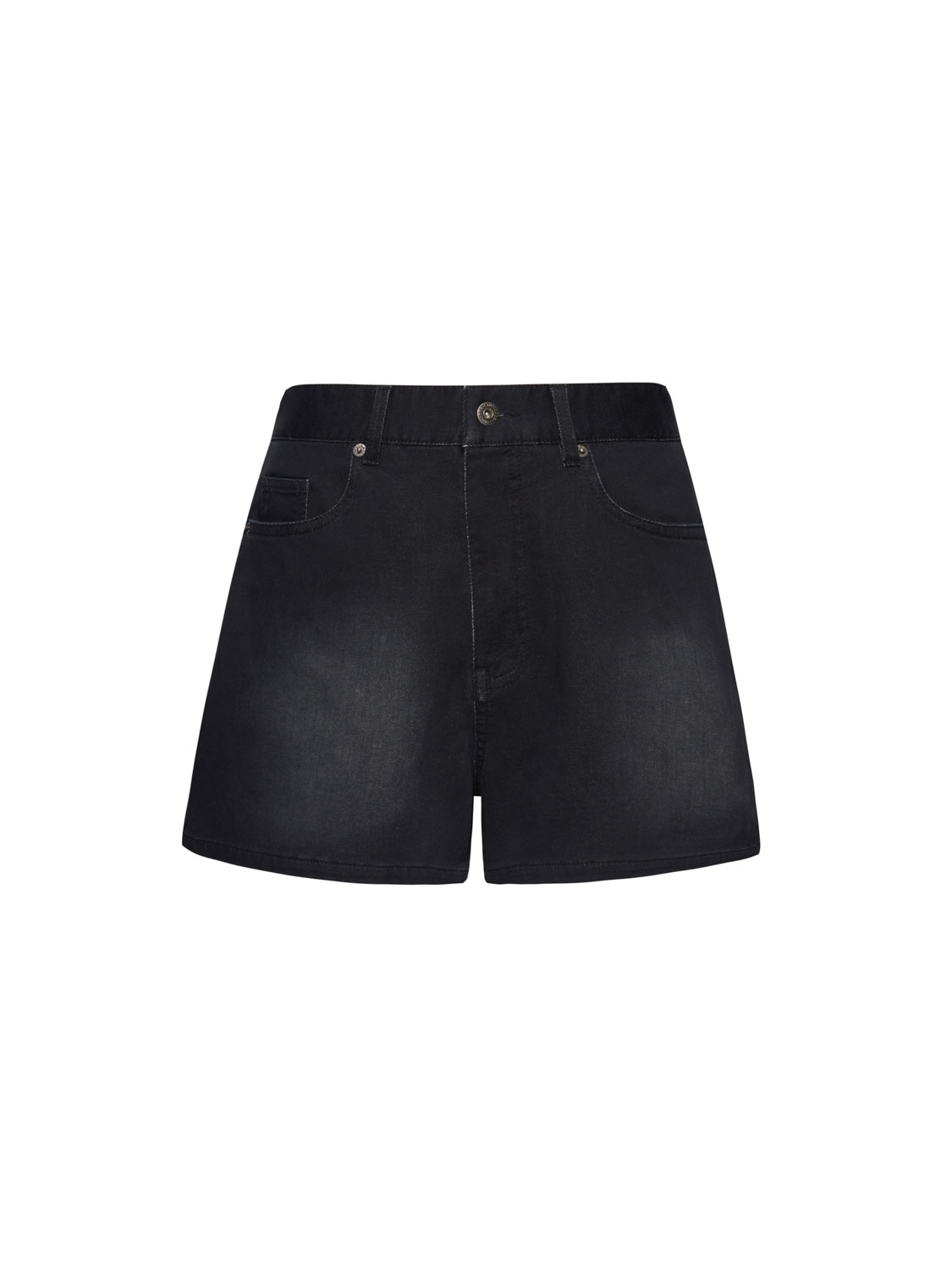
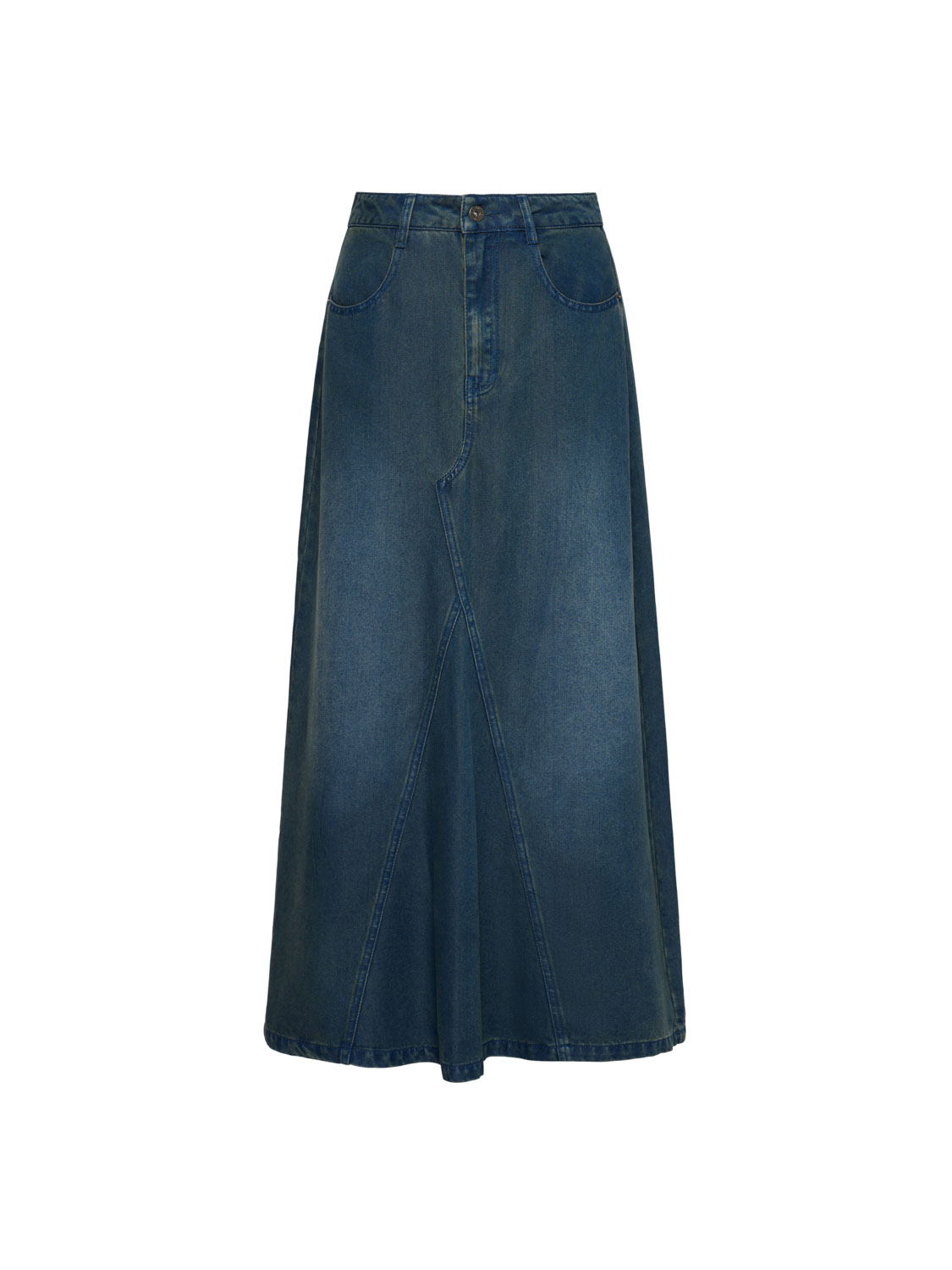
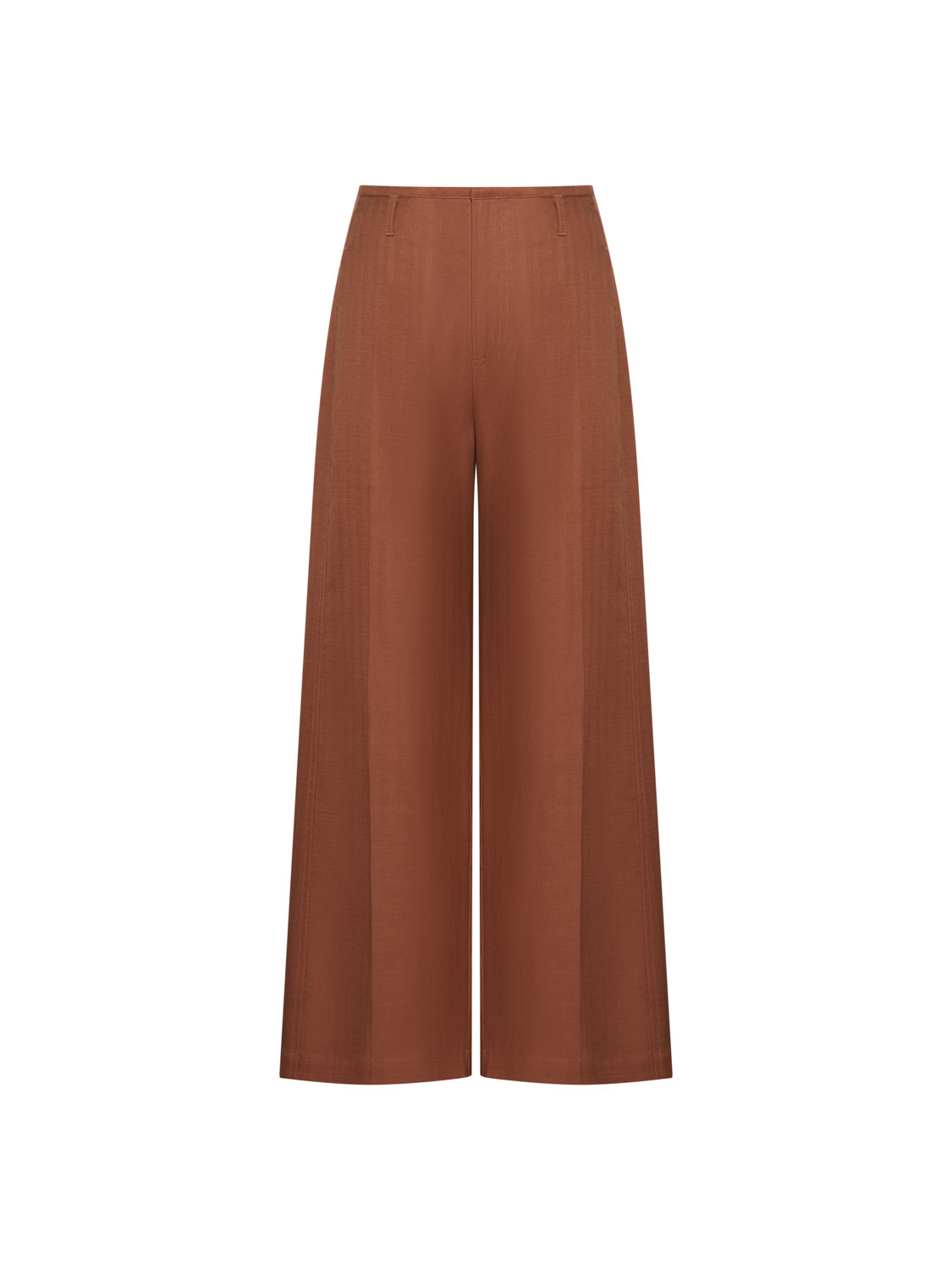
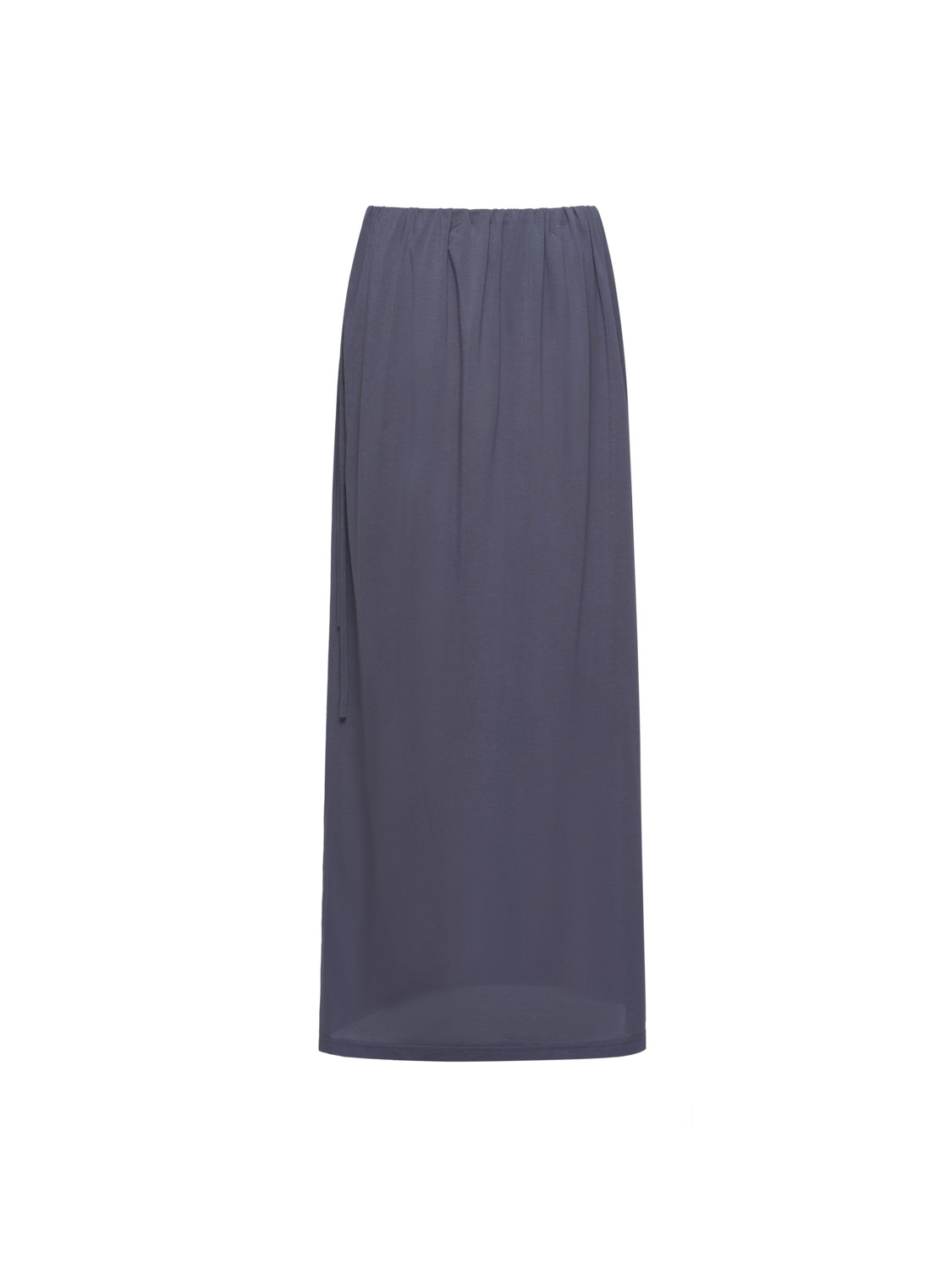
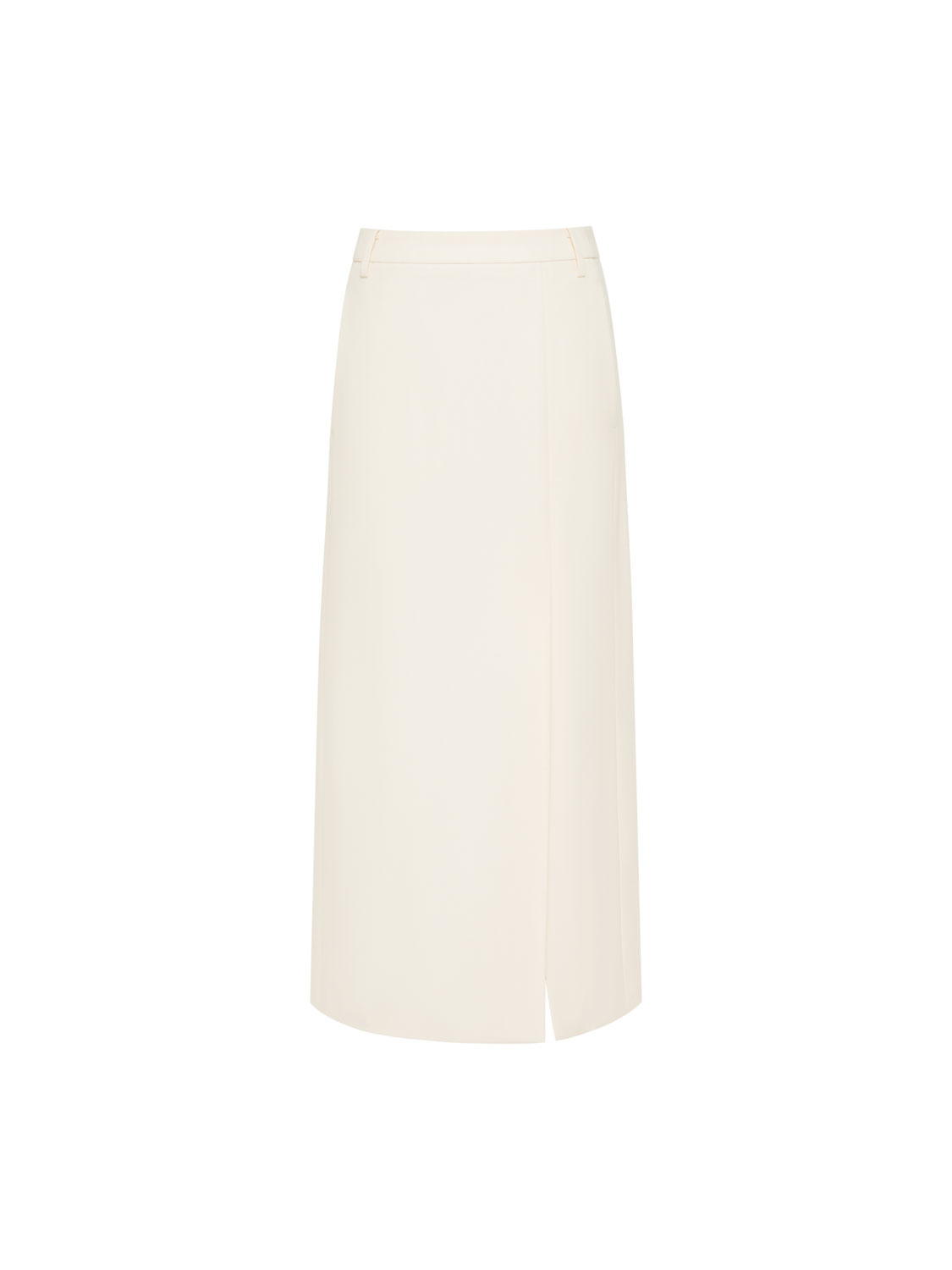
Surveys show pear-shaped bodies are the most common among Asian women. As the name suggests, the upper body tends to be slimmer while the lower body carries more weight. Besides genetics, this body type is closely linked to habits formed over time—what’s often called "false hip width," which refers to the position of the thigh and hip area. Long periods of sitting without exercise or improper walking posture can cause the widest point of the body to shift downward to the hips and thighs, making the hips appear wider and lower. While posture developed over time can be corrected with exercise, innate body shape cannot be changed, so you can rely on the "art of dressing" to highlight your strengths and minimize flaws. Use styling tips to blur the imbalance between upper and lower body and make your overall figure look more proportionate and elongated.
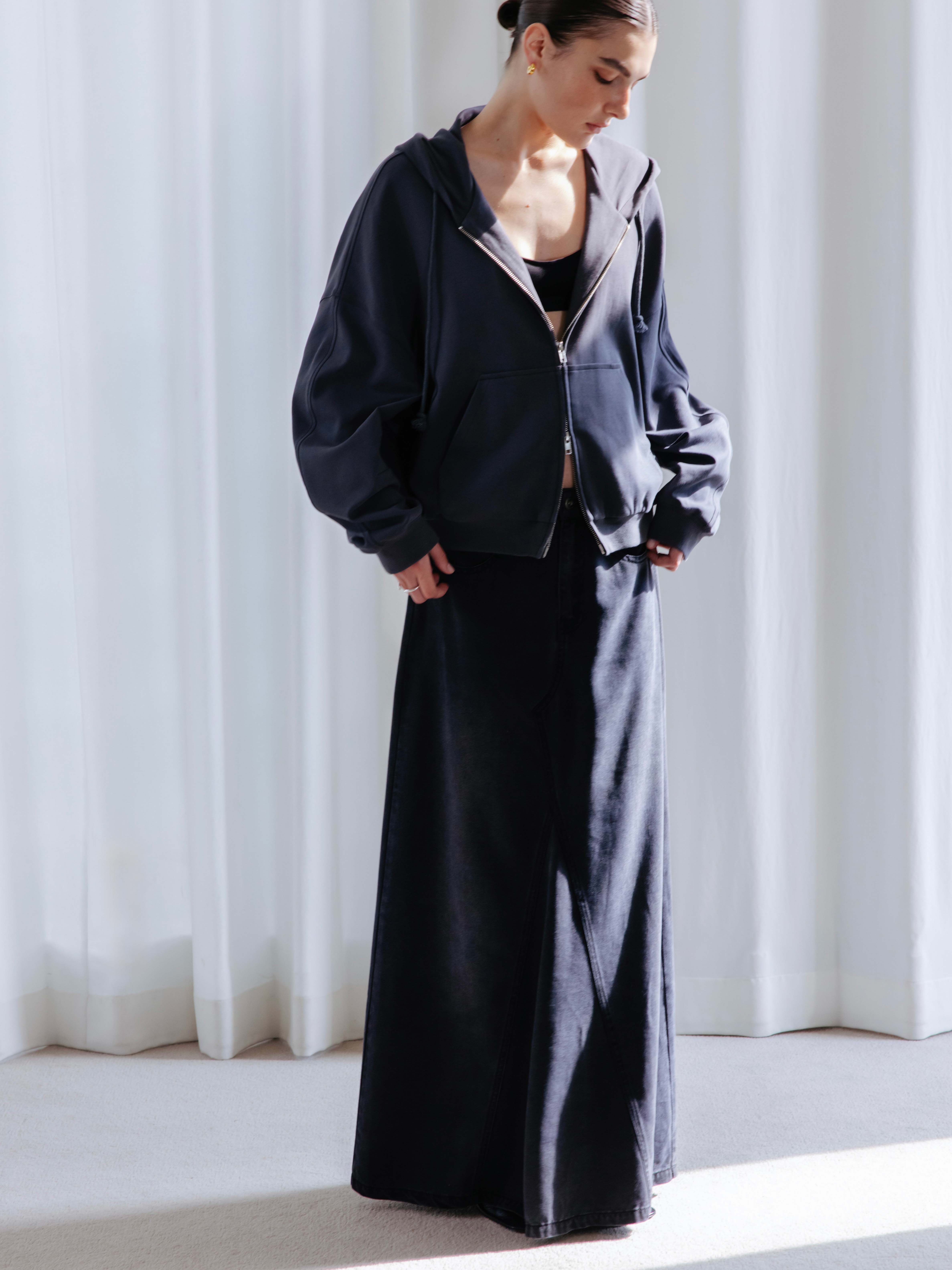
The most troublesome aspect of false hip width is a wide, flattened-looking butt. Choosing trousers or skirts in soft, flowing fabrics can actually emphasize the hip shape. Opt for fabrics with structure to effectively camouflage the hip line. Also avoid highly elastic denim, which can make the hips look larger. Slightly thicker, structured materials can hold in hip and thigh flesh like shapewear and create a slimming effect.
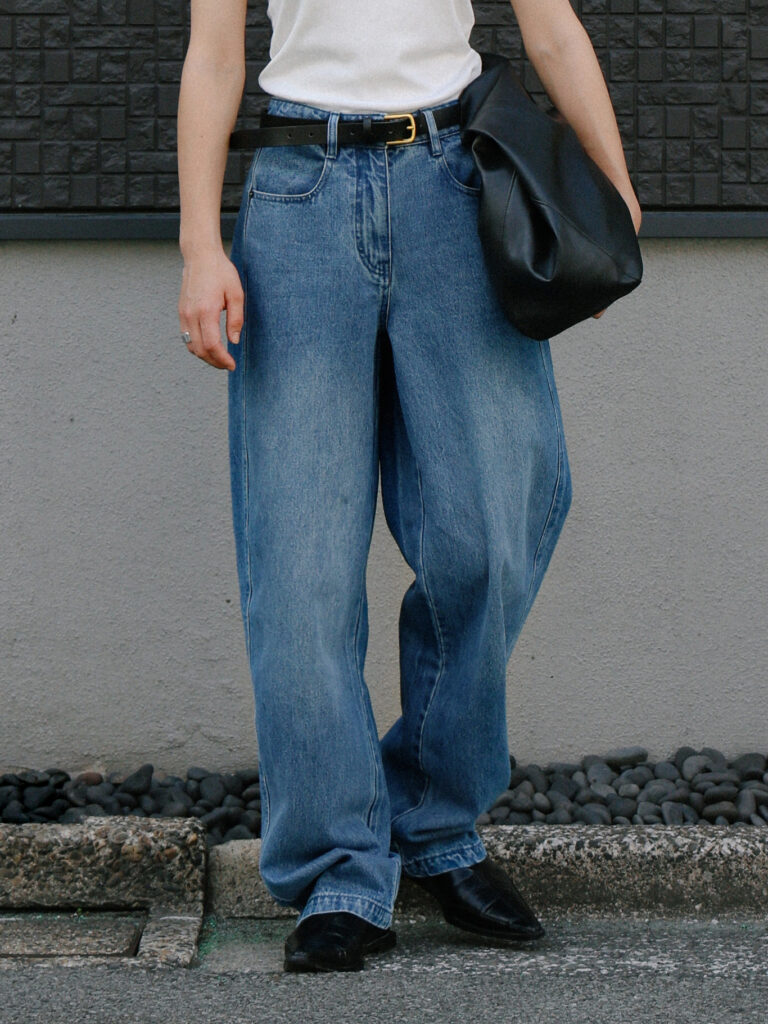
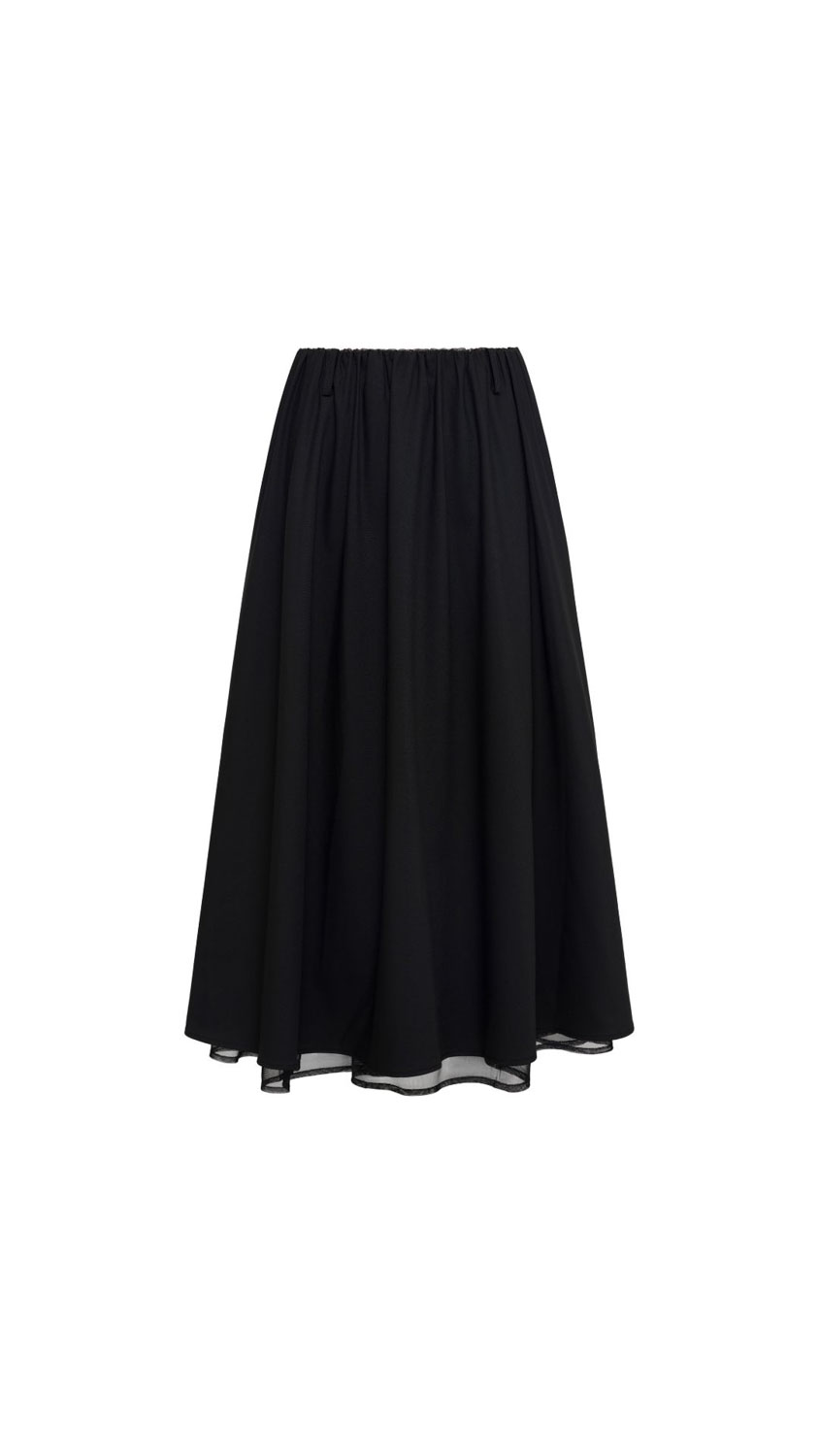
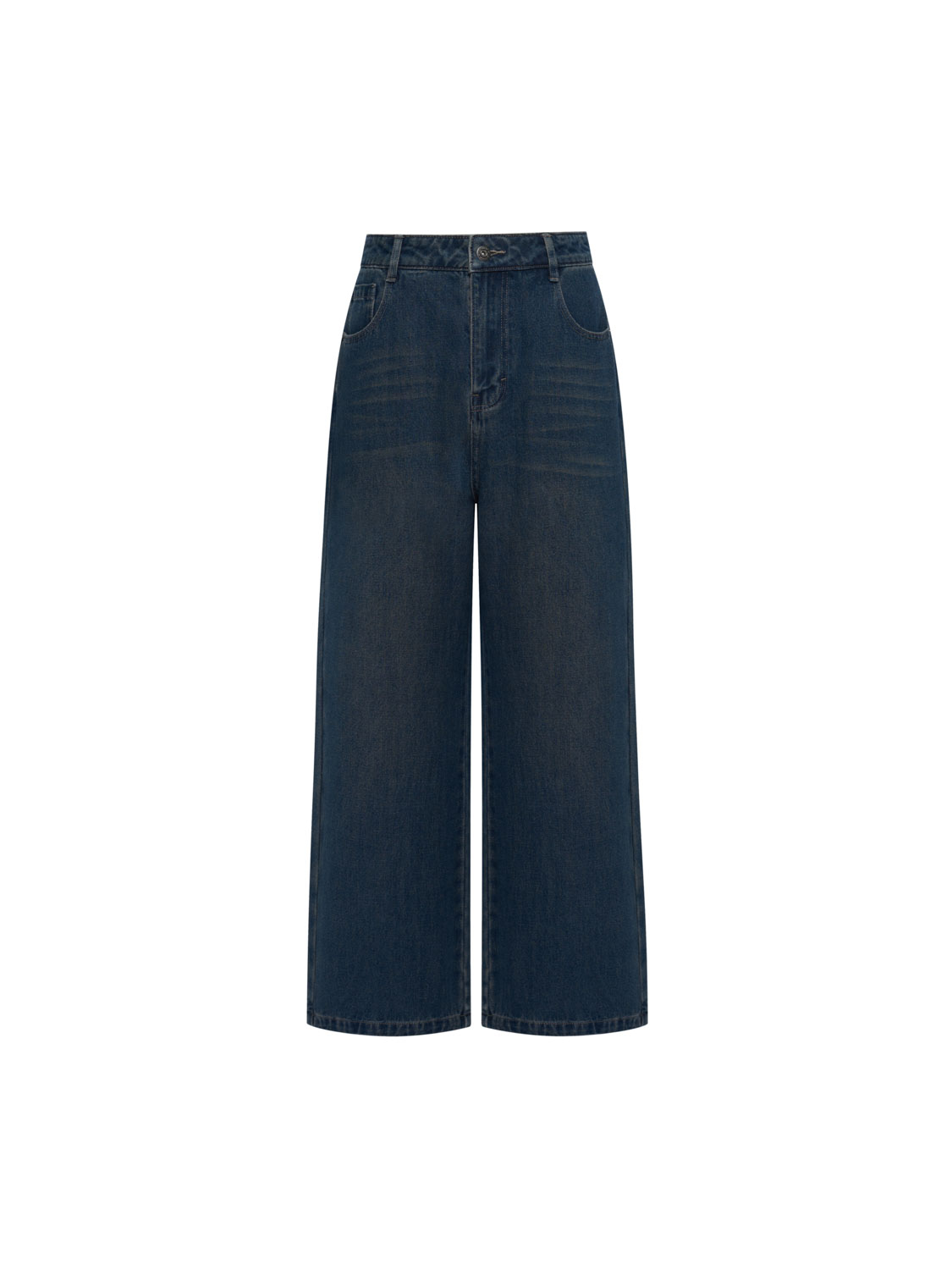
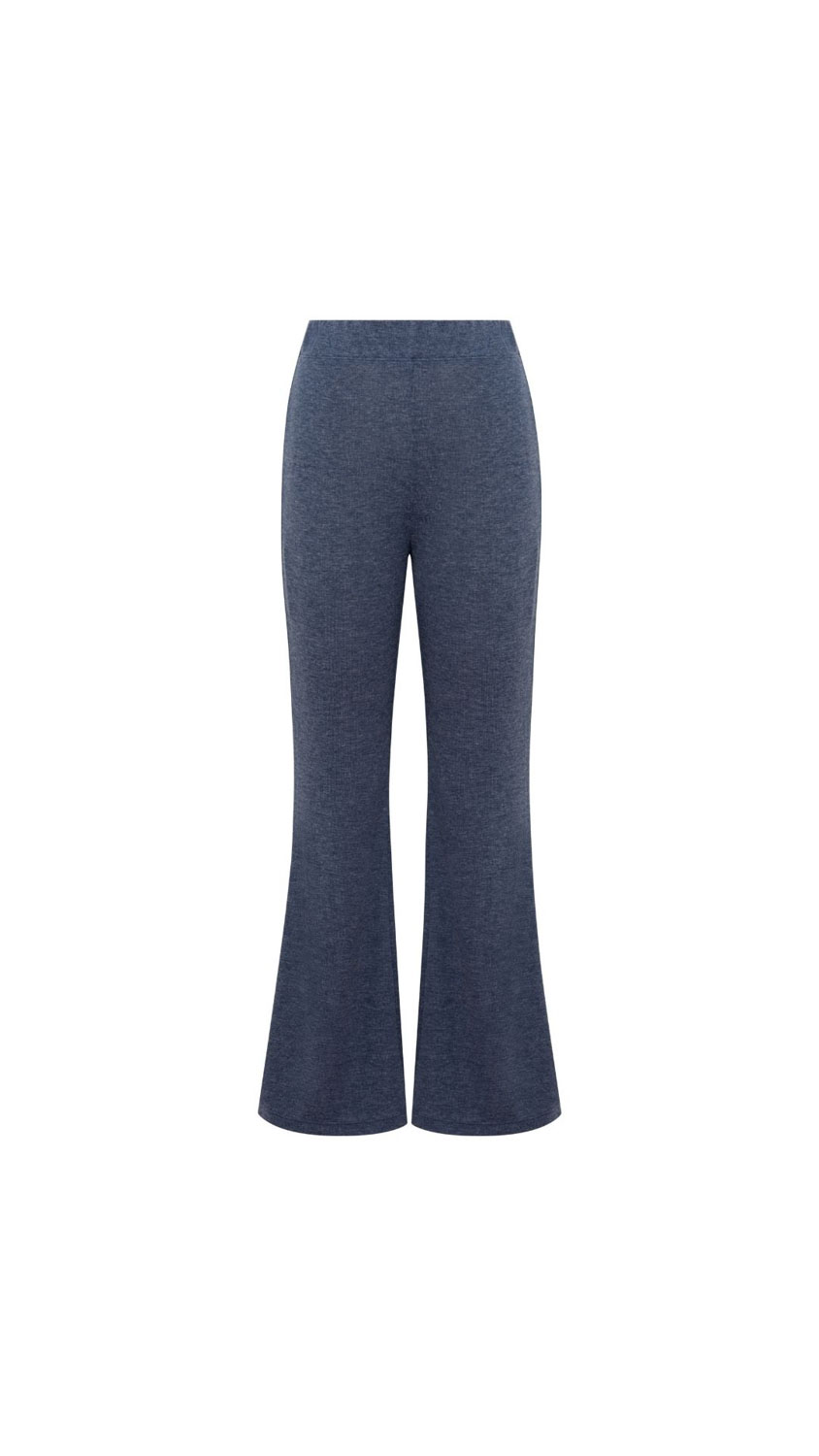
A-line flared and wide-straight bottoms are ideal partners for pear-shaped bodies (false hip width); both silhouettes effectively blur the fleshiness of the hips and thighs. Earlier we mentioned that structured fabrics help mask the hip line, but if you choose an A-line flared bottom (usually a skirt), you don’t need to emphasize structure too much—overly stiff materials can make the lower half look heavier.
A wide-straight silhouette doesn’t only apply to bottoms. Choosing a wide-straight shape for the upper body—such as a boxy jacket or a boxy dress—can also balance a wider lower body. The goal is to add visual weight to the slimmer upper body, widening the shoulder-to-hip ratio so the fuller lower body doesn’t look abrupt and appears more harmonious. Recently popular cocoon-shaped pants/skirts are also worth considering: they create the impression of wide pants rather than big hips, with the key being to blur the hip line.
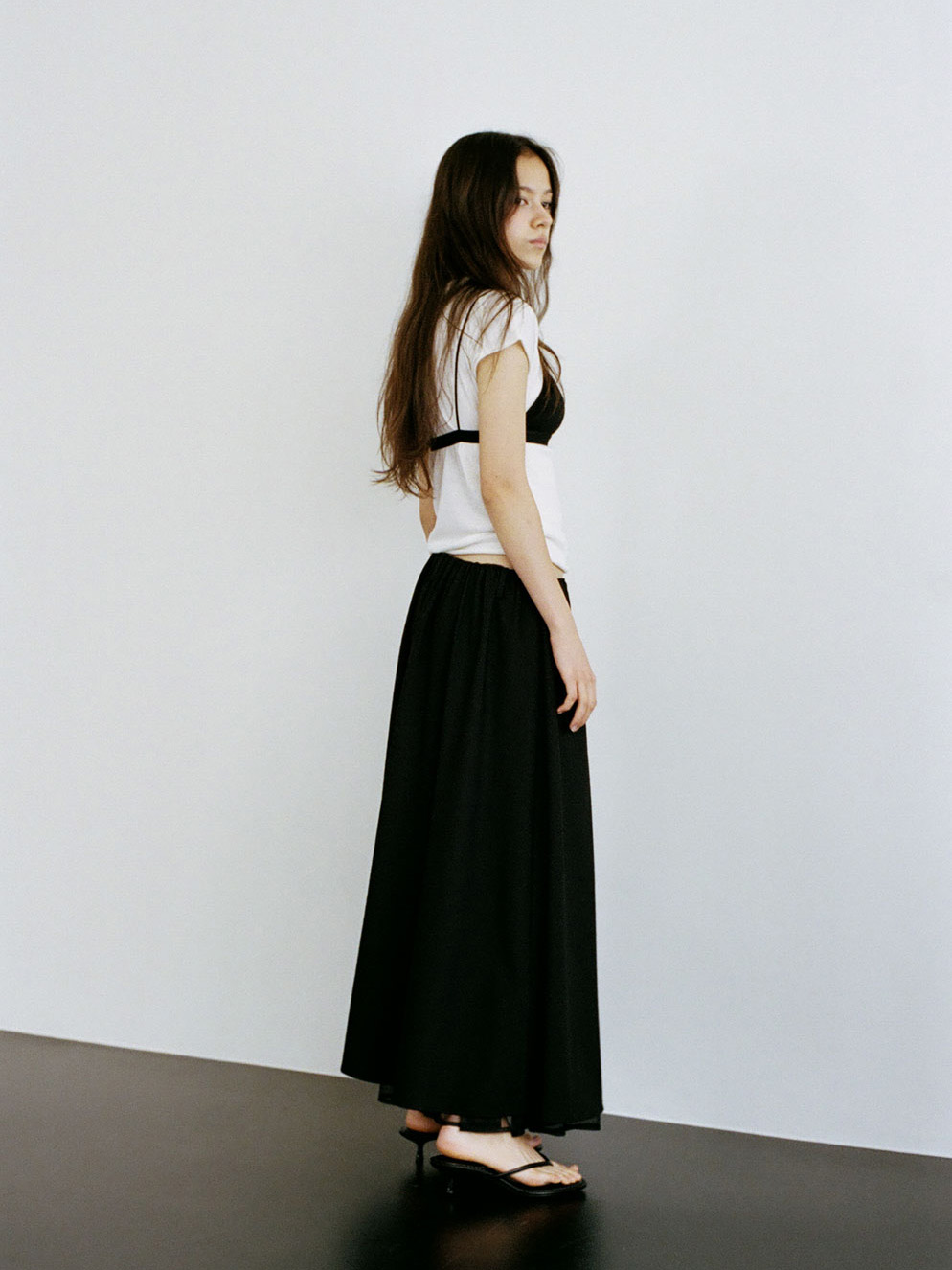
Choosing one size up in pants is a key styling trick for pear-shaped bodies (false hip width). Pant sizes are usually determined by waist, but pear-shaped figures have a slim waist and wider hips—an S waist may match an M hip. Even if an S fits, it’s recommended to size up to M. The key is to ensure some looseness at the hips and thighs so the hips don’t create tight horizontal creases that make the butt look larger. Often the issue isn’t wide hips but a very narrow waist, so don’t pick pants by waist alone—also consider the waist-to-hip ratio. Some worry that a longer lower half will create a disproportioned look, but elongated pieces can actually lengthen the lower body and make legs appear longer—another tip for flattering pear-shaped bodies (false hip width).
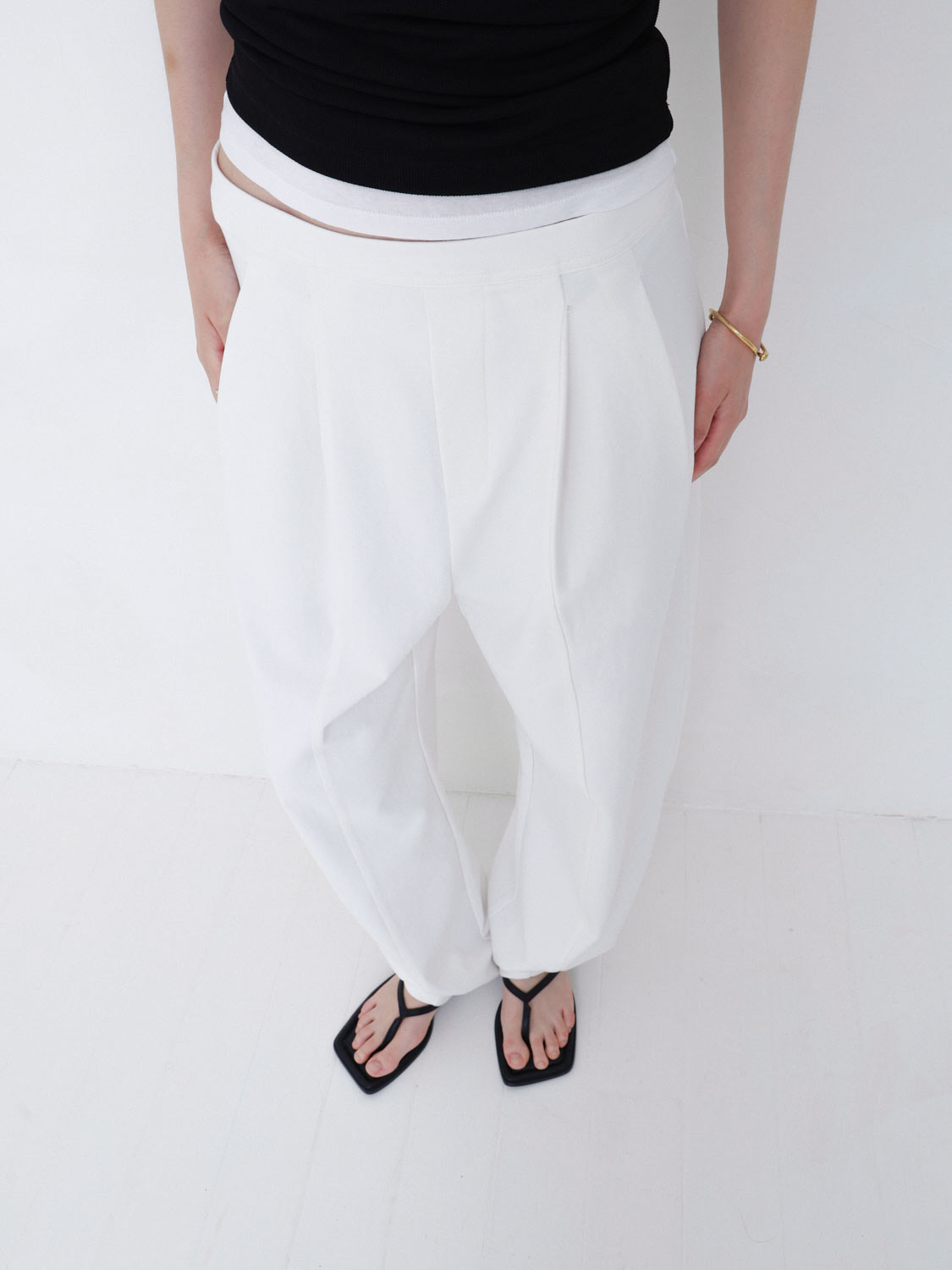
Pear-shaped bodies (false hip width) often struggle with a top-heavy or equally divided look because the hips sit lower, so choose mid-to-high waist bottoms to create the visual effect of a lengthened lower body—same principle as choosing elongated pieces. Also look for trousers where the waistband and pant body form a straight line: if the waistband doesn’t curve inward to hug the waist, it can help obscure overly wide hips. These kinds of pants are a top choice for pear-shaped bodies (false hip width).
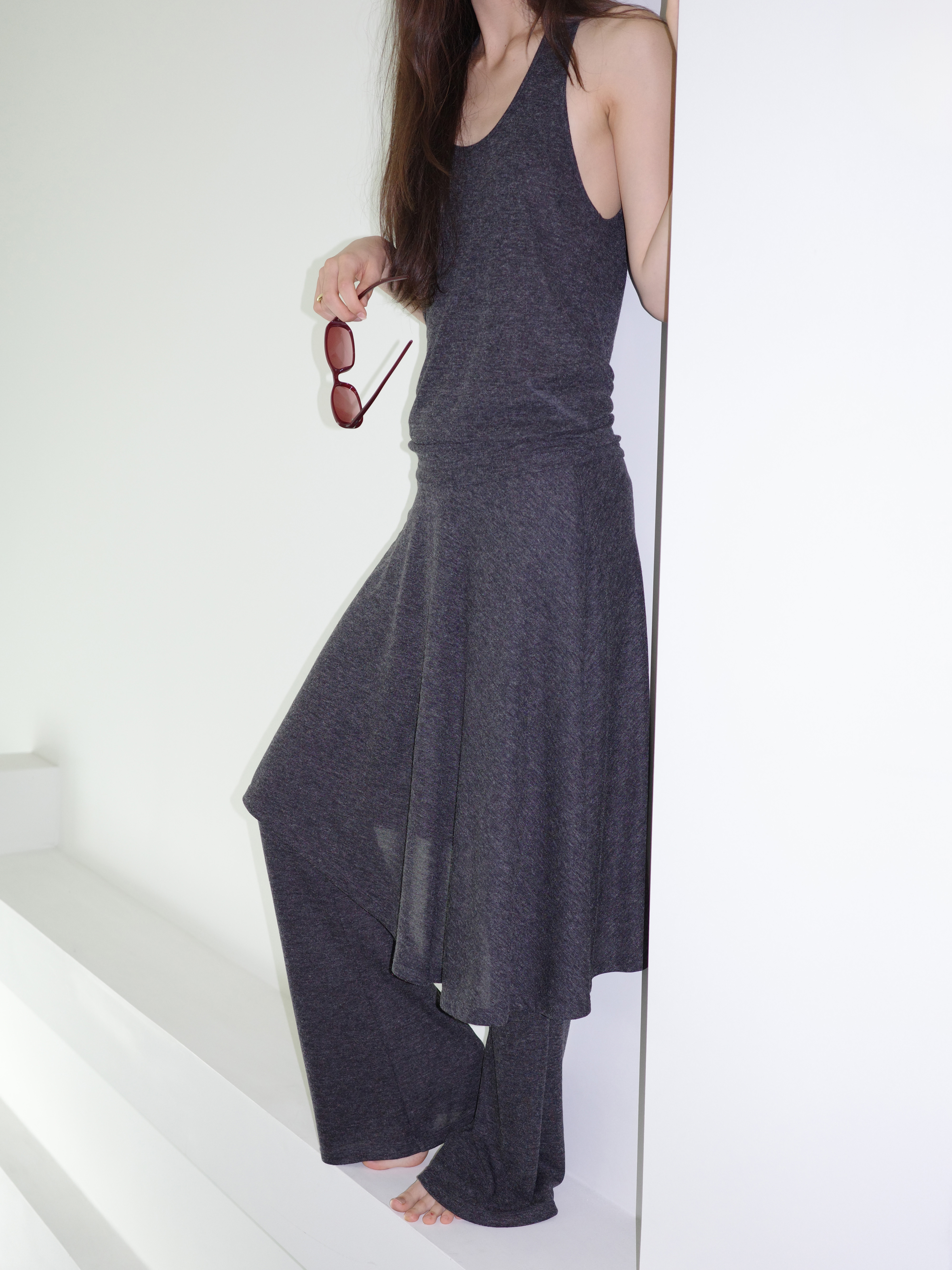
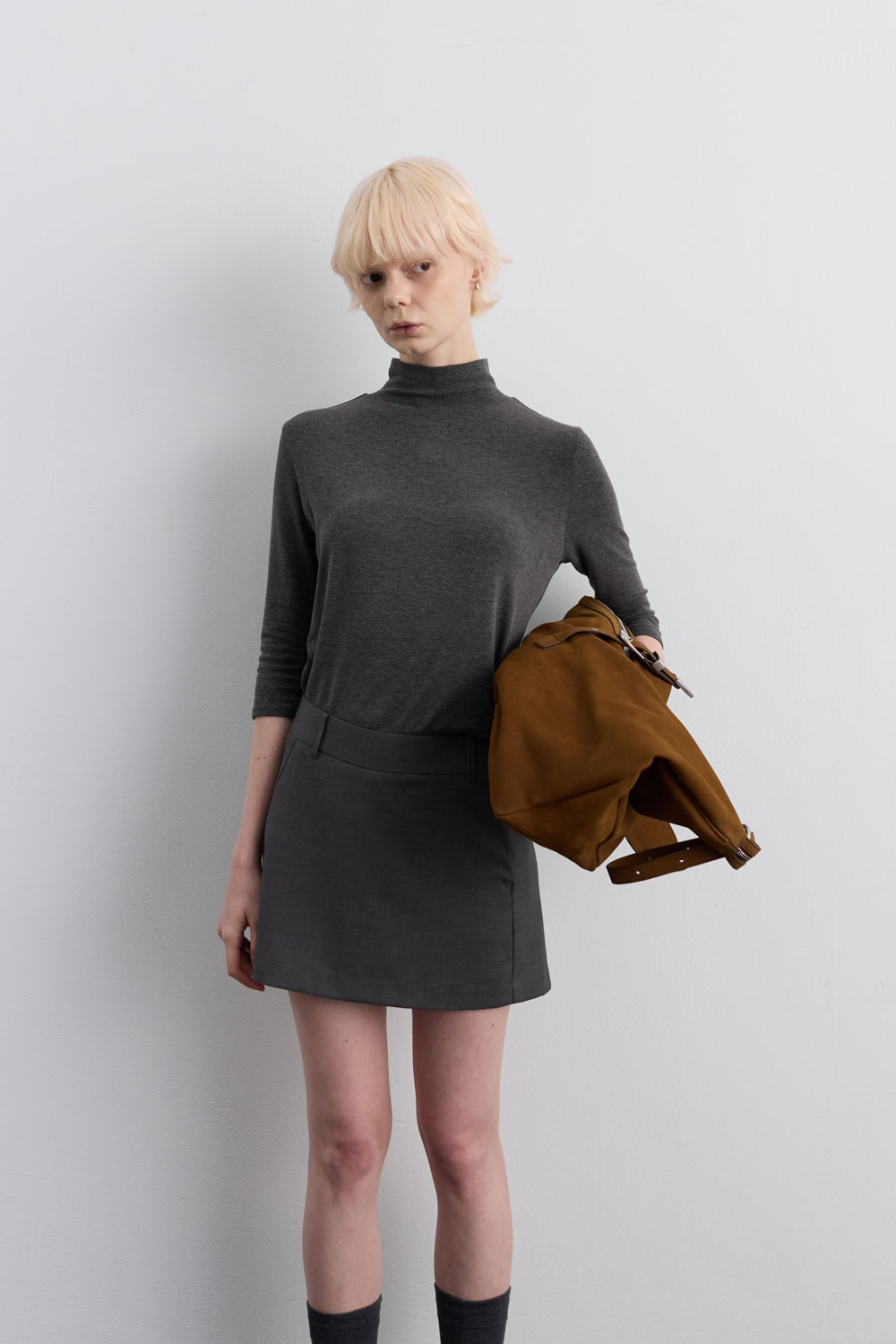
Make use of the principle that dark colors slim and light colors broaden: choose dark bottoms with light tops to cleverly conceal overly wide hips and increase visual weight in the upper body, making the overall silhouette more balanced and natural. Master these "art of dressing" techniques and pear-shaped bodies can look elongated. Style is about finding the dressing philosophy that suits you best—amplify your strengths and soften flaws; perfection isn’t required.